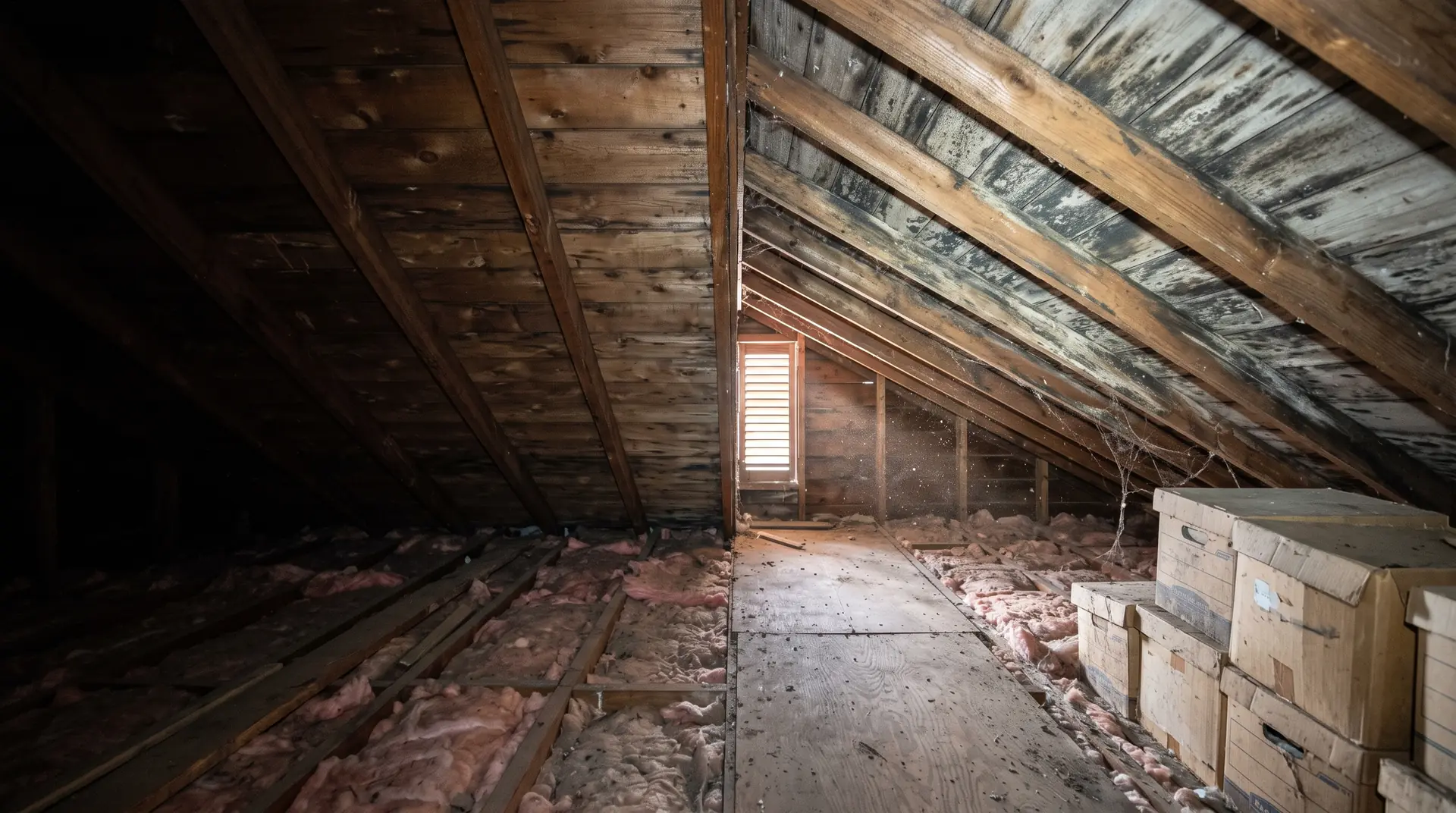
Dark mold staining on attic roof boards between the rafters
Calls answered 24/7

Basement Mold Removal in Hackensack NJ

Musty smell every time you go downstairs, or dark stains on the attic sheathing? Mold at the top and bottom of a house usually means air and moisture problems, not a single leak.

Number for Water Damage, Fire, Mold & Sewage

Calls answered 24/7. No obligation to book.

Undercroft Restoration is a free referral service, not a restoration company. Calls are connected to independent local service providers that serve your area, and calls may be recorded. The work is done by those providers, not by this site.

  • One Call Connects You
  • No Obligation to Hire
  • Calls Answered 24/7
  • Basement to Attic
36.2%Hackensack homes built 1940 to 1969
~26 in.Snow a year: attic condensation, ice dams
AugustWhen local mold searches peak
30 to 50%EPA's ideal indoor humidity
01

Why Bergen County Basements Grow Mold: Summer Humidity, Block Walls and Water That Never Fully Dried

A basement is the coolest, dampest room in the house, and in a Bergen County summer that's a problem. From July into September the outdoor air is warm and heavy with moisture. When it drifts into a cool basement, the relative humidity climbs, and concrete, wood and anything stored down there start absorbing it. Local mold searches peak in August for a reason.

The walls add to it. About 36 percent of Hackensack's homes were built between 1940 and 1969, and many of them sit on concrete block. Block wicks ground moisture through to the inside face, so the wall feels cool and slightly damp even when no water is visible. Then there are the basements that flooded once and were never fully dried. If yours took on water in a past storm, see flooded basement cleanup for how that drying should have gone.

01

Finished Basements: Carpet, Paneling and Drywall Hide It

A finished basement covers the damp block with drywall or wood paneling, then carpet goes over the slab. Mold grows on the back of the paneling and the underside of the pad where nobody sees it. A basement that takes on water in one storm can have mold growing on the paneling within weeks.
02

Unfinished Basements: Stored Boxes and Wood Against Damp Walls

In an unfinished basement, the growth shows up on cardboard boxes, wooden shelves, stored furniture, and the wood sill plate on top of the foundation. Anything touching the wall or sitting on the floor is at risk. Keep storage on plastic shelving a few inches off the floor and away from the walls.

03

Musty Basement Smell With Nothing Visible

That smell is the gas mold gives off as it grows. If you smell it but can't find it, look behind paneling, under carpet, inside a finished wall or in the stored boxes. Musty basement smell removal starts with finding the growth, not with an air freshener. If you can't find the source, a mold inspection can.

02

How Basement Mold Remediation Works in a Hackensack Home

Here's what a proper basement job looks like.

01

Step 1: Find the Water Source First

Is it groundwater coming through the walls or floor, humid summer air condensing on cool surfaces, or a leak from a pipe, water heater or washer? Each one has a different fix. A good company tells you which one it is before quoting removal.

02

Step 2: Contain and Remove What Can't Be Cleaned

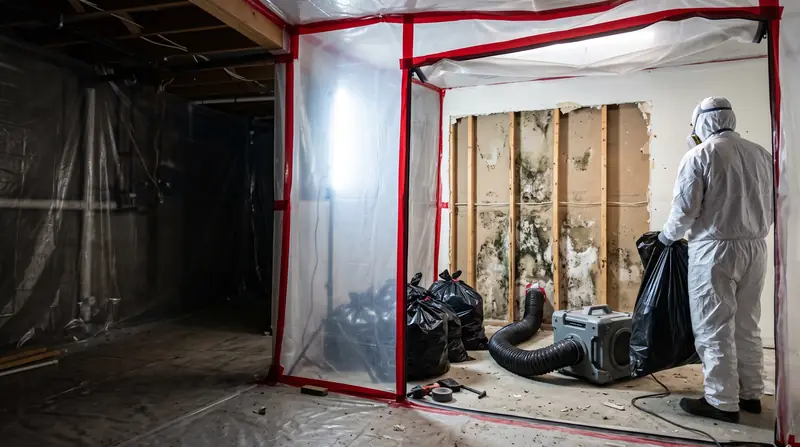
The area is sealed off with plastic, with a HEPA air scrubber running. Moldy drywall, paneling, carpet, pad, insulation and cardboard come out, bagged inside the containment.

03

Step 3: HEPA Clean, Treat and Dry

Concrete, block and sound wood get HEPA-vacuumed, scrubbed and dried. Moisture readings confirm the surfaces are dry before anything is rebuilt.

04

Step 4: Keep It Dry With a Dehumidifier or Waterproofing

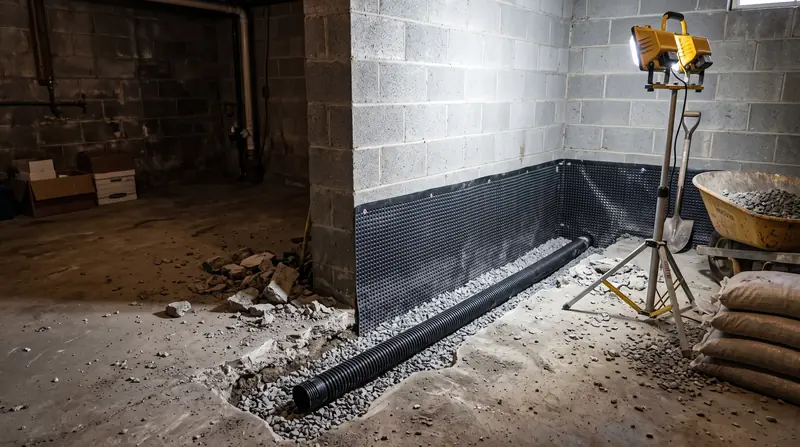
If humidity was the cause, a properly sized dehumidifier set to keep the space between 30 and 50 percent does most of the work. If water comes through the walls or floor, it needs basement waterproofing or a working sump pump. Otherwise the mold comes back.

03

Attic Mold Treatment for New Jersey Winters: Condensation, Bath Fans and Ice Dams

Attic mold is a winter problem. January nights here average around 26°F, and the area sees about 26 inches of snow a year. Warm, moist air from the house rises into the attic and meets the cold underside of the roof sheathing. It condenses there, night after night, and mold grows on the wood.

01

White Fuzz or Black Staining on the Roof Sheathing

The signs are easy to spot with a flashlight: white fuzzy growth, gray or black staining on the plywood or boards, often worst on the north side of the roof. Frost on the nails in winter tells you moisture is condensing up there.

02

Bath Fans That Dump Moist Air Into the Attic

A bathroom exhaust fan should vent through the roof or an outside wall. Many older ones end at a hose lying loose in the attic, or at a soffit where the air drifts right back in. Every shower sends a cloud of steam straight onto the roof deck. Kitchen and dryer vents do the same if they're not ducted outside.

03

Soffit Vents Blocked by Insulation

Attics need air moving in at the eaves and out near the ridge. When insulation is pushed up against the soffit vents, the air stops moving and moisture stays put. Ice dams, where snow melts and refreezes at the roof edge, add water at the eaves and are another sign the attic is too warm and poorly vented.

04

Attic Mold Removal Before a Hackensack Home Sale Closes

Attic mold is one of the most common surprises in a buyer's inspection, because owners rarely go up there. Some owners find they need mold remediation in the attic before putting the home on the market, and a job finished before the closing date can save the sale.

New Jersey's seller disclosure form asks sellers directly about mold (question 9a). If you're planning to sell, have the attic looked at before you list. Treatment and a ventilation fix take time to schedule, and a finished job with paperwork is a much easier conversation with a buyer than an open question two weeks before closing.

05

Crawl Space Mold Removal Under Older Bergen County Homes and Additions

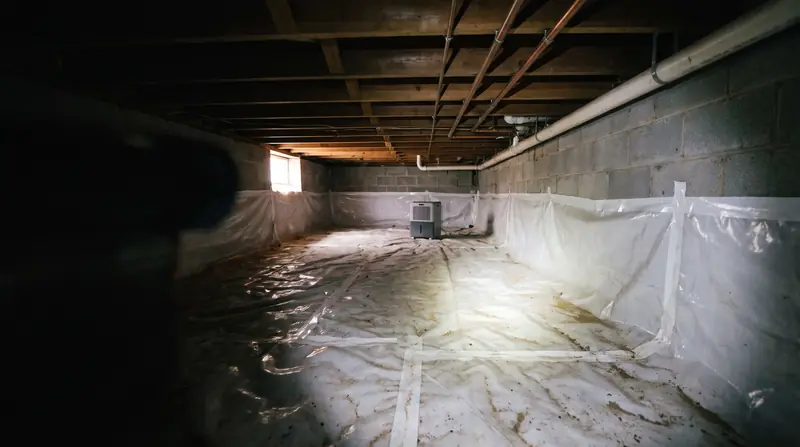
Plenty of older Bergen County houses, and many additions built onto them, sit over a crawl space instead of a full basement. A dirt floor gives off moisture constantly, and vents designed to "air it out" pull in warm, humid summer air that condenses on the cool floor joists. The result is damp wood, musty smells coming up through the floor, and mold on the joists and subfloor.

01

Crawl Space Mold Inspection: What to Look For With a Flashlight

If you can get to the access hatch safely, look for dark staining or white fuzz on the joists and the underside of the subfloor, wet or sagging insulation, standing water, and condensation on pipes and ductwork. Watch for nails, wires and animals. If the space is tight or wet, leave it to a professional.

02

Crawl Space Mold Remediation, Then Keep It Dry With a Vapor Barrier

Remediation in a crawl space means removing wet insulation and debris, HEPA-vacuuming and cleaning the wood, and treating it. Then comes the part that keeps it from coming back: a vapor barrier over the dirt, and often full crawl space encapsulation with sealed vents and a dehumidifier. Sealing is a separate service, often done by a different company, so ask who handles each part.

06

Musty Basements and Upsells: What to Ask Before Anyone Quotes a Whole-House Job

A musty basement can be a small job or a big one. People worry about being oversold, and they also worry about a crew that misses growth and leaves early. Honest scope protects you from both. Before you agree to anything, ask:

  • How many square feet of growth did you find, and where?
  • What's the moisture source, and how will it be fixed?
  • Can I have a written scope before work starts?
  • How will you confirm it's clean and dry before anything is closed up?

How Undercroft Restoration Calls Work: You're Connected With a Local Mold Company

Undercroft Restoration is a referral service. When you call (201) 409-9820, you're connected with an independent, third-party company that serves your area. That company inspects, writes the scope and does the work. Undercroft Restoration doesn't do the work, set prices or hold mold credentials. For how the line works across every service, see the home page.

07

Paneling Came Down, Mold on the Studs Behind It: One Bergen County Basement

About this example. Undercroft Restoration connects callers with independent companies and doesn't publish their customers' jobs. This is an illustrative example, not a record of a real job. It's built from Hackensack housing data (about 36 percent of homes built between 1940 and 1969) and the common Bergen County finished-basement layout of paneling over block walls.

A 1950s house in Bergen County with a finished basement: wood paneling over block walls, carpet on the slab. A storm puts an inch of water along one wall. The owner shop-vacs it, runs a fan for a day, and moves on.

Three weeks later the basement smells musty and the bottom of the paneling looks dark. A mold company pulls one panel. The back is covered in growth, the studs behind it are stained, and the block wall reads damp.

The crew contains that end of the basement and removes about 30 feet of paneling, the carpet and pad along that wall, and the fiberglass insulation. The studs are sound, so they're HEPA-vacuumed, cleaned and treated. The block and studs dry for four days until readings match the dry wall across the room.

The owner adds a dehumidifier set to 45 percent and has a waterproofing company look at the wall that took water. The rebuild uses moisture-resistant drywall held off the floor.

The lesson: drying a basement for a day isn't drying it.

08

Keep the Basement and Attic Dry: Waterproofing, Crawl Space and Mold Help in Bergen County

09

Basement and Attic Mold Calls From Hackensack 07601 and Across Bergen County

Calls come from Hackensack's single-family streets in the Fairmount section and the Johnson Avenue area, and from the older suburbs across the county where block basements and attics with bath fans are common. Calls from Teaneck, Paramus and Fort Lee are connected the same way. More on water damage in Hackensack and the full Bergen County service area.

Call any time

Musty Smell Downstairs or Stains Up Top? Call and Get Connected With a Bergen County Mold Company

Calls answered 24/7. Have your town and where you see or smell it ready when you call.

Undercroft Restoration is a free referral service, not a restoration company. Calls are connected to independent local service providers that serve your area, and calls may be recorded. The work is done by those providers, not by this site.

Questions

What Bergen County Homeowners Ask About Basement, Attic and Crawl Space Mold

Still have a question?

Calls answered 24/7. Pick the number for your problem, then say your town and what happened.

How do I get rid of a musty smell in the basement?

Find and remove the source, then control the moisture. To remove mold smell from basement air for good, the moldy materials have to go, and humidity has to stay between 30 and 50 percent. Air fresheners and fans only cover it.

Will a dehumidifier stop basement mold?

It helps a lot if humid air is the cause. It won't keep up if water is coming through the walls or floor; that needs drainage or waterproofing. Existing growth still has to be removed.

What affects basement mold removal cost?

How large the affected area is, whether the basement is finished, what materials have to come out, how much containment is needed, and what fixing the moisture takes. Call (201) 409-9820 and ask for a written scope before any work starts.

Is attic mold a problem if I never go up there?

Over time it can weaken roof sheathing, and it often means moisture is building up where you can't see it. It will also come up when you sell. Fixing ventilation early is simpler than replacing roof decking later.

Can attic mold be treated instead of removing the wood?

Often, yes. Sound sheathing and rafters can usually be cleaned and treated in place. Badly damaged or rotted wood gets replaced. Either way, the ventilation or bath fan problem has to be fixed too.

Does crawl space mold affect the air in my house?

Air from a crawl space rises into the living space above, so musty smells and moisture from down there can reach the rooms above. If anyone in the home has asthma or allergies and you're concerned, talk to a doctor.

Do I need to waterproof after basement mold removal?

Only if water is getting in from outside. If the cause was humidity or a one-time leak, a dehumidifier and the leak repair may be enough. If walls get wet every storm, see basement waterproofing.

Will the mold come back after removal?

Not if the moisture is controlled. Keep humidity in range, fix leaks, vent bath fans outside, and keep water out of the basement.

Is basement mold covered by insurance?

Usually not when it comes from long-term humidity or seepage. Some policies cover mold that resulted from a covered, sudden water loss, often with a cap. Check your policy.

Can I sell my house with attic mold in New Jersey?

Yes, but New Jersey's seller disclosure form asks about mold, so you'll need to disclose what you know. Many sellers have it treated and the ventilation fixed before listing, and keep the paperwork for buyers.

Call (201) 409-9820Water, Fire, Mold & Sewage