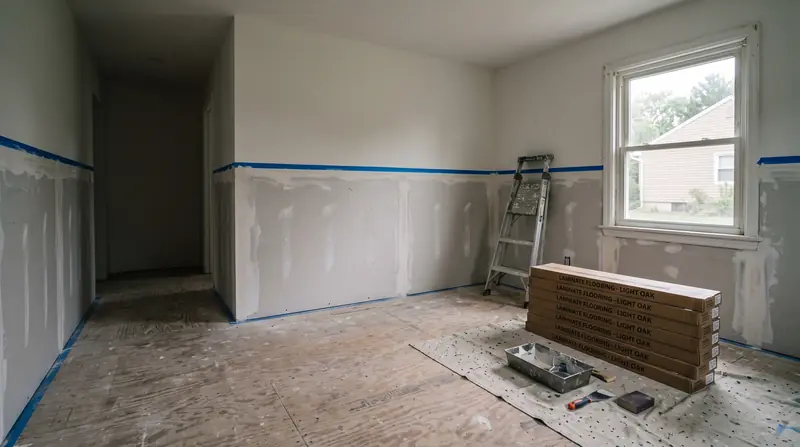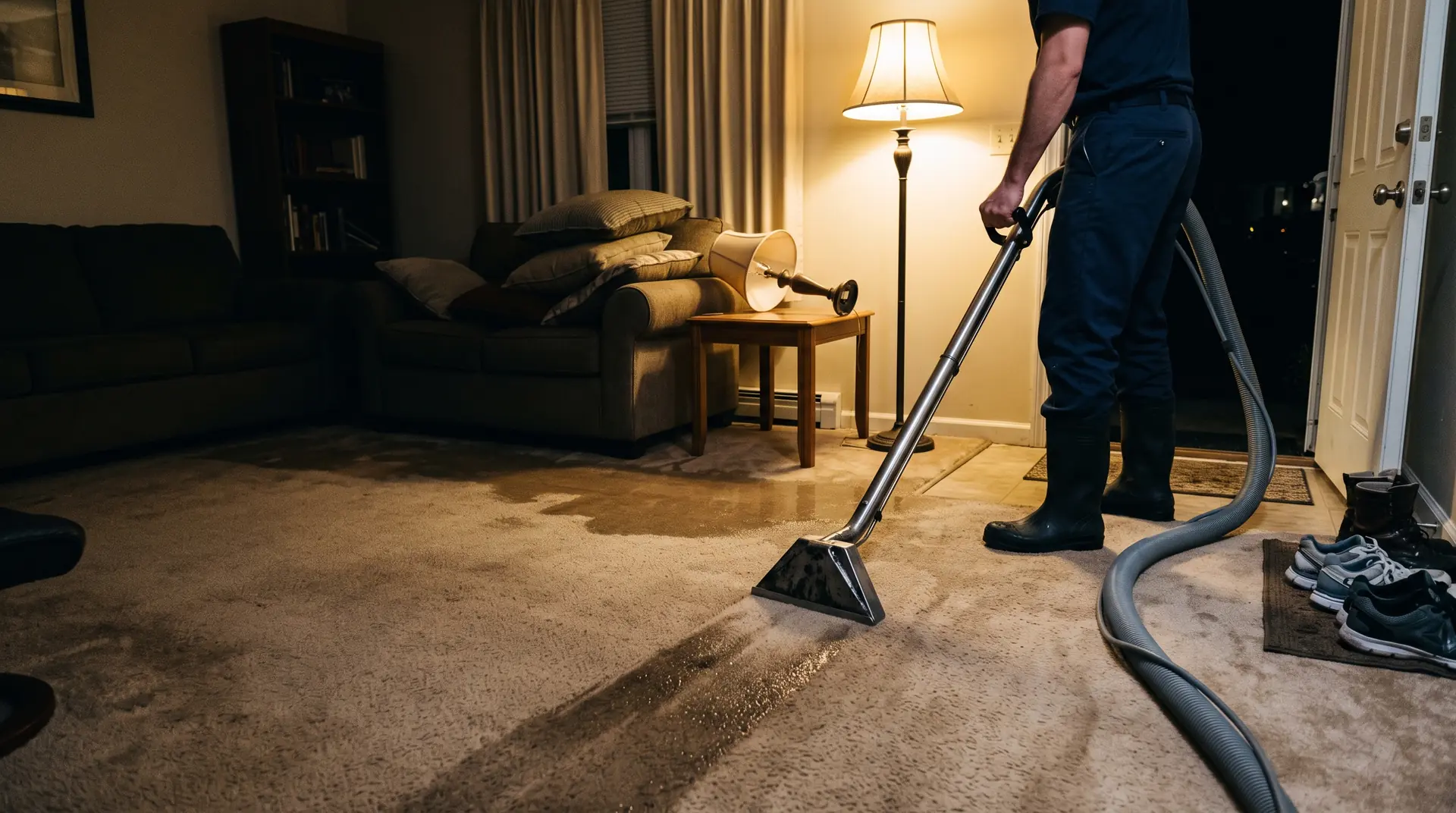
Extraction wand pulling standing water out of living room carpet at night
Calls answered 24/7

Emergency Water Removal in Hackensack NJ

Water on the floor and still spreading? This is about minutes: pumps and extractors pull standing water out before it wicks into walls, floors and the unit below.

Number for Water Damage, Fire, Mold & Sewage

Calls answered 24/7. No obligation to book.

Undercroft Restoration is a free referral service, not a restoration company. Calls are connected to independent local service providers that serve your area, and calls may be recorded. The work is done by those providers, not by this site.

  • One Call Connects You
  • No Obligation to Hire
  • Calls Answered 24/7
  • Standing Water Out
~62 gal1 inch of water over a 10 by 10 room
24 to 48 hrsEPA window to dry before mold
Breaker boxPSE&G: stay away if it's flooded
64.3%Hackensack homes in large buildings
01

Water Damage Cleanup Starts With the Standing Water: Why Hackensack Homes Can't Wait for Morning

Standing water doesn't sit still. It wicks up drywall like a paper towel, soaks into carpet pad and subfloor, and finds every gap in the floor. In a city where about 64 percent of housing is in large apartment and high-rise buildings, "the floor below" is usually somebody else's ceiling.

Every hour it sits, more of it moves from the floor, where it's easy to pull out, into materials, where it has to be dried out slowly over days. The EPA says wet materials should be dried within 24 to 48 hours to prevent mold. That clock starts when the water hits the floor, not when the office opens.

Water doesn't wait for Monday, and neither should the call. No one here can promise you an arrival time. What this line does is connect your call, day or night, so the crew that serves your area hears about it now instead of tomorrow.

Water still on the floor? Call (201) 409-9820. Calls answered 24/7. You're under no obligation to book.

Call (201) 409-9820
02

Before You Step In: PSE&G's Rules for Flooded Rooms, Breaker Boxes and Gas Appliances

Nothing on this page matters more than this section. Your utility is PSE&G in Hackensack and across much of Bergen County; a few northern Bergen towns are served by a different company, so check your bill.

01

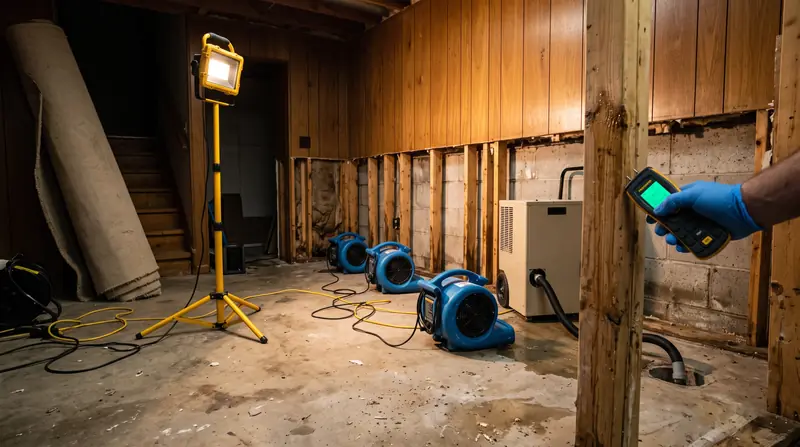
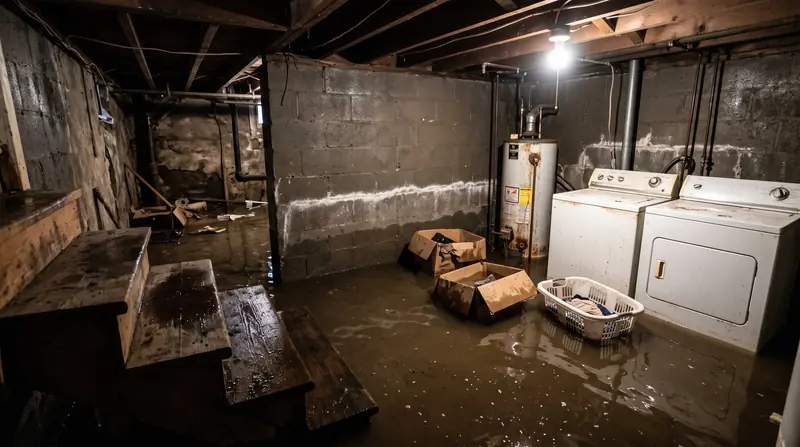
Stay Away From the Breaker Box if the Floor Is Wet

PSE&G's flood safety guidance is blunt: "Don't go into basements with standing water, raw sewage or obvious electric hazards. Stay away from the breaker box in a flooded basement." If your panel is down there, stay upstairs. For downed wires or an electric emergency, call 911 or PSE&G at 1-800-436-7734.
02

Gas Water Heaters and Boilers Need an Inspection Before They Run Again

Water can wreck the controls on a gas water heater or boiler. In August 2026 guidance on restoring gas after flooding, PSE&G says any gas appliance, water heater or piping that sat in water should be inspected by a licensed plumber, a qualified contractor or PSE&G before it's used again, because of the carbon monoxide risk. If you smell gas, get out, move well away from the building, call 911, then PSE&G at 1-800-880-7734.

03

Sewage or River Water? Treat It as Contaminated

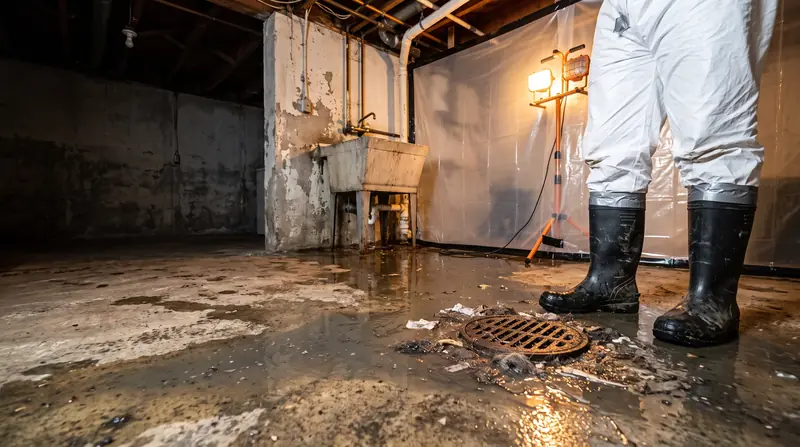
If the water came up a floor drain, backed up from a toilet, or came in off the river, treat it as Category 3. Gloves and boots, no bare skin, and keep kids and pets out. That's a sewage cleanup job, with extra protection and disinfection.

03

62 Gallons Per Inch: Why a Shop Vac Can't Keep Up in a Bergen County Kitchen or Living Room

Here's the math. One inch of water across a 10 by 10 foot room is about 62 gallons. Most home shop vacs hold somewhere between 5 and 16 gallons, so you'd be emptying the tank again and again, and that's only the water on top. The carpet pad, the bottom of the drywall and the subfloor are holding more.

A shop vac is fine for a small, clean spill caught right away. For anything bigger, it's the wrong tool. Here's what crews bring instead.

01

Submersible Pumps for Deep Water

When water is more than an inch or two deep, a submersible pump goes in first and moves it out through a hose far faster than any vacuum. That's what a water pump out service means in practice, especially in basements.

02

Truck Mounted and Portable Extractors

Truck-mounted units are the most powerful. They sit in the driveway and run long hoses into the house. Professional water extraction services in high-rises and downtown buildings with below-grade garages often use portable extractors instead, because a truck can't reach the 12th floor or fit under a garage ceiling.

03

Weighted Tools That Squeeze Water Out of Carpet Pad

Some extraction tools let the technician stand on them. The weight presses the carpet and pad down while suction pulls water up from underneath. It gets far more water out of the pad than a regular carpet wand does.

04

The First Hours of Emergency Water Removal in a Hackensack Home, Step by Step

Here's what a proper first visit looks like.

01

Step 1: Safety Check and the Source Stopped

Power to wet areas off, gas appliances checked, and the source of the water stopped. If it's a pipe, the main valve gets closed and a plumber fixes the leak. How to find your shutoff is on the water damage restoration page.

02

Step 2: Photos Before Anything Moves

Wide shots and close-ups of every wet room, the waterline and the source. New Jersey's Department of Banking and Insurance tells policyholders to document damage before throwing anything out. The insurance claims help page lists what else to keep.

03

Step 3: Furniture and Belongings Lifted Out of the Water

Furniture gets moved to dry rooms or set on blocks so the legs stop soaking. Rugs, boxes and anything on the floor come up. Wood furniture on wet carpet stains it fast.

04

Step 4: Water Extraction From Floors, Carpet and Pad

Pumps first if it's deep, then extractors over every wet surface, then the weighted tools on carpet. This step removes more water than days of dehumidifiers can.

05

Step 5: A Moisture Map Handed to the Drying Crew

Once the standing water is gone, the tech maps where water went into the walls and floors with meters and a thermal camera. That map guides the water extraction and drying plan for the days that follow. The drying part is on the water mitigation page.

05

Wet Carpet After a Leak: Save It, Dry It or Pull It in a Bergen County Home

Carpet water damage is the most common thing people ask about once the water's out. The answer depends on what kind of water it was and how fast it came out.

01

Clean Water on Carpet: Often Savable if It's Extracted Fast

A burst supply line or a dishwasher overflow caught quickly usually counts as clean water. Fast carpet water extraction, followed by drying from above and below, can often save the carpet itself. Wait too long and even clean water turns musty.

02

The Pad Underneath Usually Goes

Carpet pad acts like a sponge, and it's the easiest layer in the floor to replace. Most crews pull and replace it rather than trying to dry it, even when the carpet stays.

03

Sewage-Soaked Carpet Is Always Replaced

Sewage or floodwater is Category 3. Carpet and pad soaked with it can't be cleaned safely. Wet carpet cleanup here means removal and disposal, then disinfection of the floor underneath.

06

Carpet Cleaning vs Water Removal: What to Ask Before You Book in Hackensack

Some carpet-cleaning companies also offer water removal, and a carpet extractor can pull water off a floor. But it isn't a moisture map, and it doesn't dry the inside of your walls. Be careful with firm arrival-time promises too: after a storm, every crew is busy. Ask where the company is based, whether it's open on weekends, and whether it measures moisture inside walls and under floors.

01

What to Ask Before Anyone Starts Pumping

  • Is your company a restoration company or a carpet cleaner?
  • Will you map moisture in the walls and floors, not just the carpet?
  • Who dries the structure after the water is out?
  • Will I get a written scope before work starts?
02

How Undercroft Restoration Calls Work: You're Connected With a Local Crew

Undercroft Restoration is a referral service. When you call (201) 409-9820, you're connected with an independent, third-party restoration company that serves your area. That company does the pumping, extraction and drying. Undercroft Restoration doesn't do the work, set prices or promise arrival times. Your call goes to the right kind of company, day or night. For how the line works across every service, see the home page.

07

Water Coming Through From Another Unit? Emergency Water Removal in Hackensack Apartment Buildings

Apartment buildings add problems a house doesn't have. Here's how to handle the first hour.

01

Get the Super to the Riser Valve

In most buildings, you can't shut the water off yourself. The super or building management controls the riser valves that feed each stack of units. Call them first, then call (201) 409-9820. If it's after hours, use the building's emergency line. Tell the crew about elevators, freight access and parking when you call; in the newer downtown buildings with below-grade garages, portable equipment may have to come up by elevator.

02

Check the Unit Below Before It Rains Through Their Ceiling

Water in your unit is heading down. Knock on the door below, or ask the super to. If their ceiling is already stained or sagging, the extraction plan has to cover both units. Who pays for what is its own question, answered on the water damage restoration page.

08

Emergency Visits and Your New Jersey Claim: Photos, Receipts and Reasonable Steps

Most homeowners and renters policies expect you to take reasonable steps to prevent further damage after a loss. Calling for extraction quickly is exactly that. Keep the photos, the crew's paperwork and receipts for anything you bought, like fans or a hotel night. Check your policy wording, and see the insurance claims help page.

09

A Dishwasher Line, a Hackensack Kitchen and a Water Damage Clean Up That Started Downstairs

About this example. Undercroft Restoration connects callers with independent companies and doesn't publish their customers' jobs. This is an illustrative example, not a record of a real job. It's built from a common Hackensack setup (a two-family house with one kitchen stacked over another) and from PSE&G's August 2026 guidance on gas appliances after flooding.

A two-family house in Hackensack, 11 p.m. on a weeknight. The dishwasher supply line upstairs lets go while the owners sleep. The first sign is downstairs: the tenant hears water hitting the kitchen floor and sees it coming through a light fixture.

She shuts off the kitchen breaker from the dry hallway panel and calls upstairs. They close the valve under the sink. By then there's water across the upstairs kitchen and an inch on the tenant's floor, and it's trickling through gaps in the floorboards to the basement, where the gas water heater sits.

The crew pumps the basement, extracts both kitchens, and uses a weighted tool on the tenant's area rug pad. The moisture map shows water inside the ceiling between floors and the bottom of the tenant's kitchen walls. The water heater's base sat in water, so it stays off until a licensed plumber inspects it, as PSE&G advises.

The upstairs hardwood cups but is saved with drying mats. The tenant's pad goes; the rug is cleaned. The lesson: if water reaches a gas appliance, don't relight it until it's been checked.

10

After the Water Is Out: Drying, Repair and Restoration Across Bergen County

11

Emergency Calls From Hackensack 07601 and Across Bergen County, Day or Night

Calls come in from the Fairmount section, the Prospect Avenue high-rises, downtown Main Street and the Johnson Avenue area, and from towns along Route 4, Route 17 and I-80. The line connects 24 hour water extraction calls from across the Bergen County service area. More on water damage in Hackensack.

Calls from Middlesex County, including Edison, Woodbridge and New Brunswick, are connected the same way. See the Middlesex County service area.

Towns Around Hackensack: Teaneck, Paramus, River Edge, Maywood, Lodi and Fort Lee

Calls from Teaneck, Paramus, River Edge, Maywood, Lodi and Fort Lee are connected the same way.

Call any time

Standing Water Right Now? Call for Emergency Water Removal and Get Connected in Bergen County

Calls answered 24/7. For standing water in Bergen County: have your town and what happened ready when you call.

Undercroft Restoration is a free referral service, not a restoration company. Calls are connected to independent local service providers that serve your area, and calls may be recorded. The work is done by those providers, not by this site.

Pick the number for your problemServing Bergen and Middlesex Counties, NJ ยท Calls answered 24/7
Questions

What Bergen County Callers Ask While the Water Is Still on the Floor

Still have a question?

Calls answered 24/7. Pick the number for your problem, then say your town and what happened.

Is it safe to walk through standing water in my house?

Not if it's near outlets, cords or the breaker panel, or if it could be sewage. PSE&G says to stay out of basements with standing water or electric hazards and away from a flooded breaker box. When in doubt, stay out and call.

Should I use a shop vac while I wait?

For a small, clean spill, yes, as long as you're nowhere near outlets or cords in the water. Never use one on sewage. For more than a few gallons, a shop vac mostly buys time.

Can my wet carpet be saved?

Often, if the water was clean and it's extracted and dried fast. The pad underneath usually gets replaced. Carpet soaked by sewage or floodwater is always replaced.

What if the water is coming from the unit above?

Get the super to the riser valve first, then call (201) 409-9820. Check the unit below yours too. Take photos in your unit before anything moves.

Does the crew dry the walls too, or just pump?

A restoration crew extracts first, then sets up drying equipment and takes daily readings until the walls and floors are dry. Ask for that on the call. See water mitigation for how drying works.

What affects water damage cleanup cost?

How many gallons and square feet are involved, the category of water, whether carpet and pad come out, how many floors or units are affected, and the equipment needed. Call (201) 409-9820 and ask for a written scope before any work starts.

Does insurance pay for the emergency visit and extraction?

Usually, when the cause is sudden and covered, like a burst supply line. Flood and gradual leaks are often treated differently. Check your policy and keep every photo and receipt.

Do I need to leave the house during extraction?

Usually not. You may need to stay out of the wet rooms and away from hoses and cords. Leave if it's sewage, if the power has to be off, or if a gas appliance is involved.

My basement flooded after heavy rain. Is this the right number?

Yes. Calls about rain-flooded basements are connected the same way. The cleanup is a little different from an indoor leak, and the flooded basement cleanup page explains how.

What if the water is from a sewer backup?

Treat it as contaminated: stay out, keep kids and pets away, and don't use a shop vac. Call (201) 409-9820 and say it's sewage. See sewage cleanup.

Call (201) 409-9820Water, Fire, Mold & Sewage