Most pump failures come down to a handful of causes. Knowing which one you're looking at tells you whether it's a quick fix or a new pump.
Stuck or Tangled Float Switch
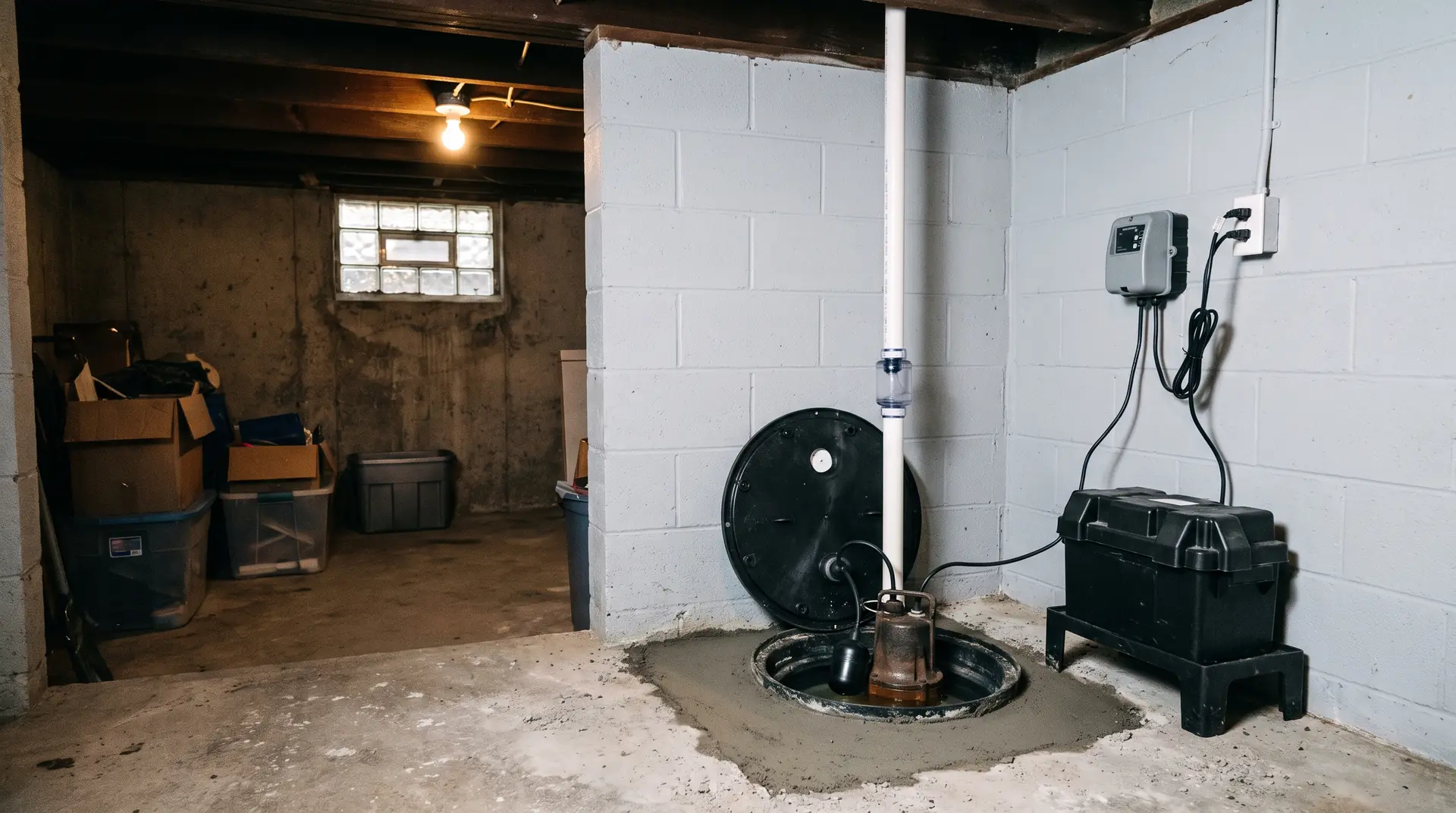
The float rises with the water and turns the pump on. If it catches on the side of the pit, the power cord or debris, the pump never starts, even with the pit full. Sometimes it sticks in the "on" position instead and the pump runs dry until it burns out. A float that doesn't move freely is the single most common failure.
Motor Burned Out After Years of Heavy Cycling
In a wet Bergen County basement, a pump can cycle hundreds of times in a single storm. Motors wear out. Signs include a hum with no water moving, loud grinding or rattling, a pump that trips the breaker, or one that runs but moves water slowly.
Frozen or Crushed Discharge Line in Winter
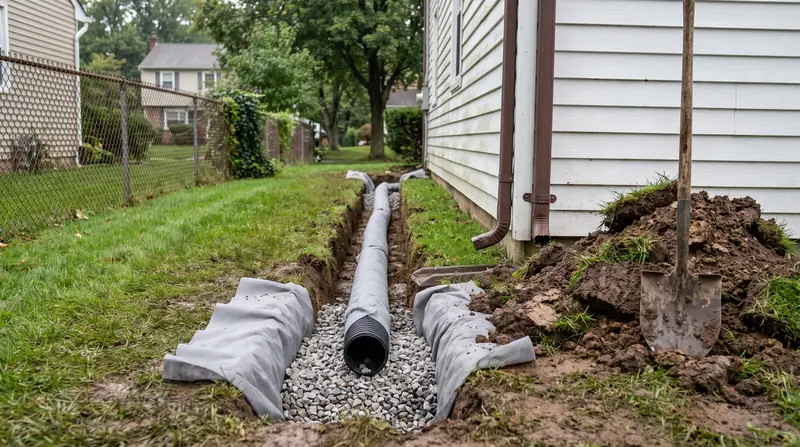
The area averages about 26 inches of snow a year, and January nights drop to around 26°F. Where the discharge pipe exits the house, water left in it can freeze solid. The pump runs, but nothing gets out. Lines buried in the yard can also be crushed or clogged by roots and debris.
Power Out During the Storm
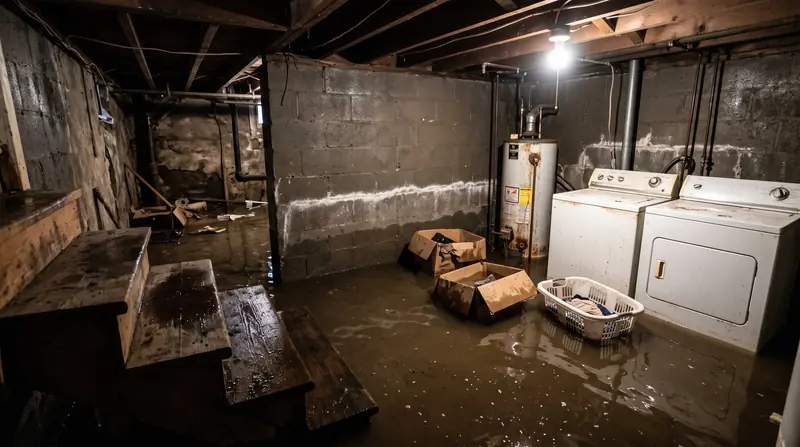
The storms that fill your pit are often the same ones that knock out power. After Sandy in 2012, a NJ DEP study with Rutgers found flooding in some upland areas lasted at least five days because pump stations lost power. At home, a pump without power is a pump that isn't there. That's what backups are for.