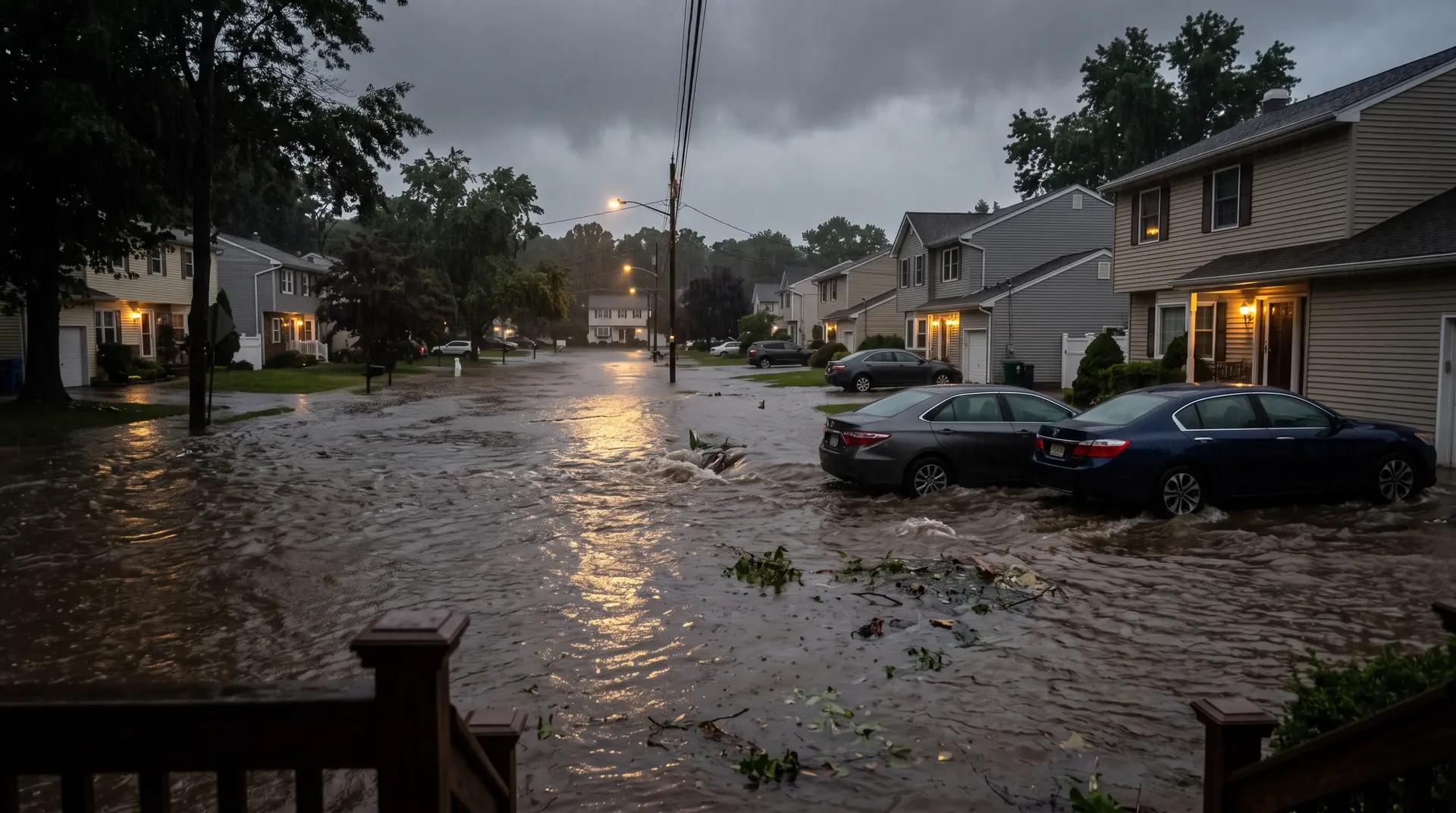
Floodwater over the curbs on a suburban street during a storm
Calls answered 24/7

Flood Cleanup in Hackensack NJ

Water came in from outside, not a pipe? Flood cleanup is a different job: floodwater is contaminated, insurance works differently, and the next storm is never far off in the Hackensack valley.

Number for Water Damage, Fire, Mold & Sewage

Calls answered 24/7. No obligation to book.

Undercroft Restoration is a free referral service, not a restoration company. Calls are connected to independent local service providers that serve your area, and calls may be recorded. The work is done by those providers, not by this site.

  • One Call Connects You
  • No Obligation to Hire
  • Calls Answered 24/7
  • Mud Out to Dry
8.57 ftHackensack River crest, April 2022
63Hackensack repetitive flood-loss properties
6.06 in.River Edge rain, July 27 to 28, 2026
30 daysUsual wait before a new NFIP policy starts
01

Flood Restoration After River and Storm Water: Why Bergen County Crews Treat It as Contaminated

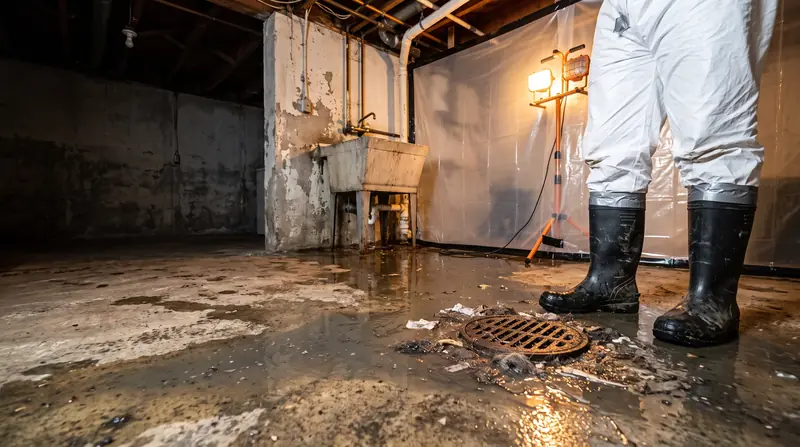
Water from a burst supply line starts out clean. Floodwater never does. By the time river water, brook overflow or street runoff reaches your floor, it has picked up sewage from overwhelmed sewers, fuel and oil from the road, lawn chemicals and soil bacteria. The IICRC's S500 standard classes it as Category 3, the same as sewage.

That changes the whole job. Porous materials that floodwater touched, like drywall, insulation, carpet, pad and upholstered furniture, usually come out rather than get dried. Hard surfaces get cleaned and disinfected. Everyone working in it wears boots, gloves and eye protection.

For you, it means three things right away. Don't wade in without boots and gloves. Keep kids and pets out. And wash your hands well after touching anything that was in the water. If the water came up through a floor drain or a toilet instead of in through a door, it's likely a sewer backup; see sewage cleanup.

Floodwater in the house right now? Call (201) 409-9820. Calls answered 24/7. You're under no obligation to book.

Call (201) 409-9820
02

Sandy, Ida, April 2022 and July 2026: How Floodwater Reaches Hackensack Homes

Flooding here isn't one kind of event. It comes from the tidal river, from small brooks that overflow in a cloudburst, from rivers upstream, and from storm surge. Here's the recent record.

01

The Tidal Hackensack River Along the City's East Side

The Hackensack River is tidal and runs along the city's eastern border. Foschini Park, Johnson Park and Hackensack River County Park line the low ground along it. When heavy rain meets a high tide, the river has less room to drain, and low-lying streets near it feel that first.
02

Coles Brook and the Johnson Avenue Area: 63 Repetitive Loss Properties

The city's 2022 Open Space and Recreation Plan, drawing on its flood acquisition plan, lists 63 Hackensack properties as Repetitive Loss or Severe Repetitive Loss, meaning they've had multiple flood insurance claims. Most sit in the Johnson Avenue area, about 14 acres along Coles Brook and Van Saun Mill Brook. Small brooks can rise fast in a summer downpour, well before the river does.

03

Temple Avenue and the July 27-28, 2026 Flash Flood

On July 27 and 28, 2026, CBS New York reported that "Temple Avenue looked more like a waterway as multiple vehicles got trapped in high waters." River Edge's swift water rescue team pulled nearly a dozen people from cars on Kinderkamack Road, and Route 4 in Teaneck flooded during the evening commute. The NJ Weather Network measured 6.06 inches of rain in River Edge over the two days.

04

April 2022: The River Hit Moderate Flood Stage Without a Hurricane

No named storm needed. In April 2022, 2 to 4 inches of rain pushed the Hackensack River to moderate flood stage, cresting at 8.57 feet at New Milford. Police there reported 12 evacuations and several car rescues, and Lodi closed bridges.

05

Ida 2021 and Sandy 2012: Water Up Through Floors and Over the Berm

When Ida's remnants hit on September 1 to 2, 2021, Bergen County declared a state of emergency. CBS New York reported huge parts of Lodi under several feet of water and, in Saddle Brook, water that "bubbled up from floors and walls." Sandy in October 2012 was surge, not rain: an 8.5-foot surge overtopped a 5-foot berm in Little Ferry and Moonachie, and a NJ DEP study with Rutgers found upland flooding lasted at least five days because pump stations lost power.

03

Is Hackensack a Flood Zone? How to Check Your Address on FEMA's Flood Map

Parts of Hackensack near the river and the brooks are mapped flood hazard areas. Other parts, often just a few blocks uphill, aren't. The only reliable answer is for your exact address. Type it into FEMA's Flood Map Service Center, and look at the zone on the map. Zones starting with A or V are high-risk areas where lenders usually require flood insurance. Flooding also happens outside mapped high-risk zones, especially in flash floods, so a low-risk zone doesn't mean you're safe.

04

Going Back In After the Water Drops: Safety Steps for a Flooded Bergen County Home

Flooded house cleanup starts with not getting hurt.

  • Don't turn the power back on until an electrician or the utility says it's safe.
  • Don't restart a gas furnace, boiler or water heater that sat in floodwater. PSE&G says flooded gas equipment should be inspected first because of carbon monoxide risk.
  • Watch for sagging ceilings, buckled floors and cracked foundation walls before you walk through.
  • Wear boots, gloves and an N95 mask once things start drying, and keep kids and pets away.
  • If you smell gas, leave and call 911.

Utility phone numbers and more safety detail are on the emergency water removal page.

05

Flood Clean Up Step by Step: Mud Out, Disinfect, Dry and Document

Flood damage cleanup has more steps than an indoor leak because of the mud and the contamination. Here's what a proper job looks like.

01

Step 1: Photos and an Inventory Before Anything Is Thrown Out

New Jersey's Department of Banking and Insurance tells policyholders to photograph all damage before disposal. Take pictures of every room, the waterline, and every item before it goes to the curb. Cut and keep a small sample of carpet for the adjuster. Make a written list of what's being thrown out.

02

Step 2: Mud, Silt and Debris Shoveled and Hauled

River and street floods leave a layer of mud and silt behind. It gets shoveled out and hauled away before cleaning can start. Wet mud dries into dust that carries the same contamination, so it comes out early.

03

Step 3: Porous Materials That Touched Floodwater Come Out

Drywall is cut above the highest waterline. Insulation, carpet, pad, upholstered furniture, mattresses, particleboard cabinets and anything cardboard that the floodwater touched usually go.

04

Step 4: Hard Surfaces Cleaned and Disinfected

Studs, concrete, tile, metal and hard plastic get scrubbed and disinfected. That includes the inside of wall cavities once the drywall is out.

05

Step 5: Drying to the Dry Standard

Dehumidifiers and air movers run until materials read the same as unaffected materials in the house. That usually takes several days. How drying works is on the water mitigation page.

06

Step 6: Mold Check Before Anything Is Rebuilt

Floodwater plus humid summer air is ideal for mold. Before any rebuild, check framing and cavities for growth. If there's mold, mold remediation comes first. Then the rebuild itself: water damage repair.

06

Storm Damage Restoration When Wind-Driven Rain Gets In Through Roofs and Windows

Not every storm floods from below. Hurricane remnants from August to October (Ida and Tropical Storm Elsa both hit in 2021), summer thunderstorms and winter nor'easters push rain sideways into roofs, walls and windows. Storm cleanup inside the house is the restoration company's job. The roof itself is a roofer's job.

01

A Tree on the Roof: Tarp First, Then the Water Inside

If a tree or limb comes through the roof, the first step is a tarp or temporary cover to stop more rain getting in. Many restoration companies can arrange that. Then comes the water inside: wet attic insulation, ceilings, walls and floors. Permanent roof repair is separate; get a roofer for that.

02

Water Around Windows and Doors After a Nor'easter

Nor'easters drive rain at windows and doors for hours. Water gets behind trim and into the wall below the sill, often showing up as a stain or bubbling paint days later. Storm damage repair here means opening the wall, drying it and fixing the flashing or seal that let water in.

07

Flood Damage Restoration New Jersey Homeowners Can Claim: NFIP, Private Flood and the Homeowners Exclusion

This is general information; your policy wording decides. The insurance claims help page goes deeper.

01

Homeowners Policies Exclude Flood; Wind Damage Is a Separate Claim

Standard homeowners policies in New Jersey exclude flood, as the state's Department of Banking and Insurance points out. Flood coverage is a separate policy, through the NFIP or a private insurer. Wind damage, like a tree through the roof and the rain that followed, usually goes on the homeowners policy. After a big storm you may have two claims with two adjusters.

02

Why Flood Damage Restoration Is Billed to a Different Policy Than a Burst Pipe

A pipe that bursts inside the house is a sudden plumbing loss, usually a homeowners claim. Water that came in from outside, over the ground, is flood, and it goes to a flood policy if you have one. The same wet carpet can be covered or not depending on where the water came from. Your photos and the crew's notes on the source matter.

03

New NFIP Policies Usually Wait 30 Days to Start

A new National Flood Insurance Program policy generally doesn't take effect until 30 days after you buy it. Buy it before storm season, not when the forecast turns bad. New Jersey licenses public adjusters through the Department of Banking and Insurance if you want someone to negotiate a claim for you.

08

After a Bergen County Storm, Ask Where the Crew Is Coming From

Some companies cover Bergen County with a New York phone number and a list of town names. That doesn't mean they do bad work. But after a storm, when every crew is busy, distance matters.

01

Questions to Ask a Flood Crew After a Big Storm

  • Where is your crew based?
  • When can you realistically get here?
  • Do you document for flood insurance: photos, moisture logs, an itemized scope?
  • Who hauls the debris and mud away?
02

How Undercroft Restoration Calls Work: You're Connected With a Local Flood Crew

Undercroft Restoration is a referral service. When you call (201) 409-9820, you're connected with an independent, third-party restoration company that serves your area. That company does the mud-out, cleaning and drying. Undercroft Restoration doesn't do the work, set prices or promise arrival times. For how the line works across every service, see the home page.

09

A Summer Flash Flood, a Muddy First Floor and Five Days to Dry

About this example. Undercroft Restoration connects callers with independent companies and doesn't publish their customers' jobs. This is an illustrative example, not a record of a real job. It's set during a real event: the July 27 to 28, 2026 flash flood, when CBS New York reported vehicles trapped on Temple Avenue in Hackensack. The home and details are typical, not real.

A one-story house on a low street in Hackensack, late July 2026. Rain comes down hard and fast on a Monday evening. The storm drains back up, the street fills, and water slides under the front door and through the side door by the driveway. It sits about four inches deep across the living room and kitchen for a couple of hours, then drains away and leaves mud.

The owners stay upstairs at a neighbor's. The power to the house stays off overnight.

The next day, the crew photographs every room and the waterline before anything moves. Mud gets shoveled out. The carpet, pad, a couch and the bottom two feet of drywall and insulation come out along every wall that took water. Studs and the concrete slab are scrubbed and disinfected.

Dehumidifiers and air movers run five days, with daily readings, until the studs match an unaffected closet wall. A mold check comes back clear.

The owners have NFIP flood coverage, so the building side goes to the flood policy. The lesson: check your flood zone, and if you're near the brooks or the river, buy flood coverage before the season.

10

Before the Next Storm in the Hackensack Valley: Backup Power, Raised Valuables and Buyout Options

A few steps make the next flood smaller:

  • Put a battery backup on your sump pump, since storms that flood also knock out power.
  • If water comes into the basement every storm, look at basement waterproofing.
  • Move valuables, documents and electronics off basement and first-floor floors before storm season.
  • Buy flood insurance at least 30 days before you need it.
  • If your home floods again and again, ask about NJDEP's Blue Acres program, which buys flood-prone homes from willing sellers.
11

After the Flood: Basement, Mold and Rebuild Help Across Bergen County

12

Flood Calls From Hackensack, Little Ferry, Moonachie, River Edge and Lodi

The towns along the Hackensack and Saddle rivers have the longest flood records in the county: Hackensack, Little Ferry and Moonachie after Sandy, River Edge in July 2026, Lodi after Ida and again in 2024. Calls from all of them, and from Teaneck, Paramus and Fort Lee, are connected the same way. More on water damage in Hackensack and the full Bergen County service area.

Call any time

Floodwater in the House? Call for Flood Cleanup and Get Connected in Bergen County

Calls answered 24/7. For flood and storm water in Bergen County: have your town and what happened ready when you call.

Undercroft Restoration is a free referral service, not a restoration company. Calls are connected to independent local service providers that serve your area, and calls may be recorded. The work is done by those providers, not by this site.

Pick the number for your problemServing Bergen County, NJ ยท Calls answered 24/7
Questions

What Bergen County Homeowners Ask After a Flood

Still have a question?

Calls answered 24/7. Pick the number for your problem, then say your town and what happened.

Is Hackensack in a flood zone?

Parts of it are, mostly near the Hackensack River on the east side and along Coles Brook and Van Saun Mill Brook. Many other parts aren't. Check your exact address on FEMA's Flood Map Service Center.

Does homeowners insurance cover flood damage?

No. Standard homeowners policies exclude flood. You need a separate flood policy through the NFIP or a private insurer. Wind damage from the same storm is usually a homeowners claim.

Should I clean up before the adjuster comes?

Document first: photos, video, a list and a carpet sample. Then take reasonable steps to stop further damage, like getting water and mud out and starting drying. Waiting for the adjuster while things grow mold can hurt the claim.

What has to be thrown away after floodwater?

Porous things the water touched: carpet, pad, mattresses, upholstered furniture, drywall, insulation, particleboard, cardboard and food. Hard items like metal, glass and solid wood can often be cleaned and disinfected.

Is it safe to turn the power back on?

Not until an electrician or your utility checks it, especially if water reached outlets or the panel. Gas appliances that sat in water need inspection before they run again.

How long does flood clean up take?

Mud-out and tear-out usually take a day or two. Drying adds several days, depending on how deep the water got and what the house is built of. Rebuild comes after that.

What affects the cost of cleaning up after a flood?

How deep the water got, how many square feet it covered, how much mud came in, what has to be removed, and how many days of drying it takes. Call (201) 409-9820 and ask for a written scope before any work starts.

Can mold grow after a flood?

Yes, quickly. The EPA says wet materials should be dried within 24 to 48 hours to prevent mold growth. Floodwater and summer humidity make that window even more important.

My basement takes water every storm. What fixes that?

That's usually groundwater, not a flood. Drainage, a sump pump with backup power, or basement waterproofing are the long-term answers.

What's NJ Blue Acres?

A New Jersey Department of Environmental Protection program that buys homes in flood-prone areas from willing sellers, so families can move out of harm's way and the land returns to open space.

Call (201) 409-9820Water, Fire, Mold & Sewage