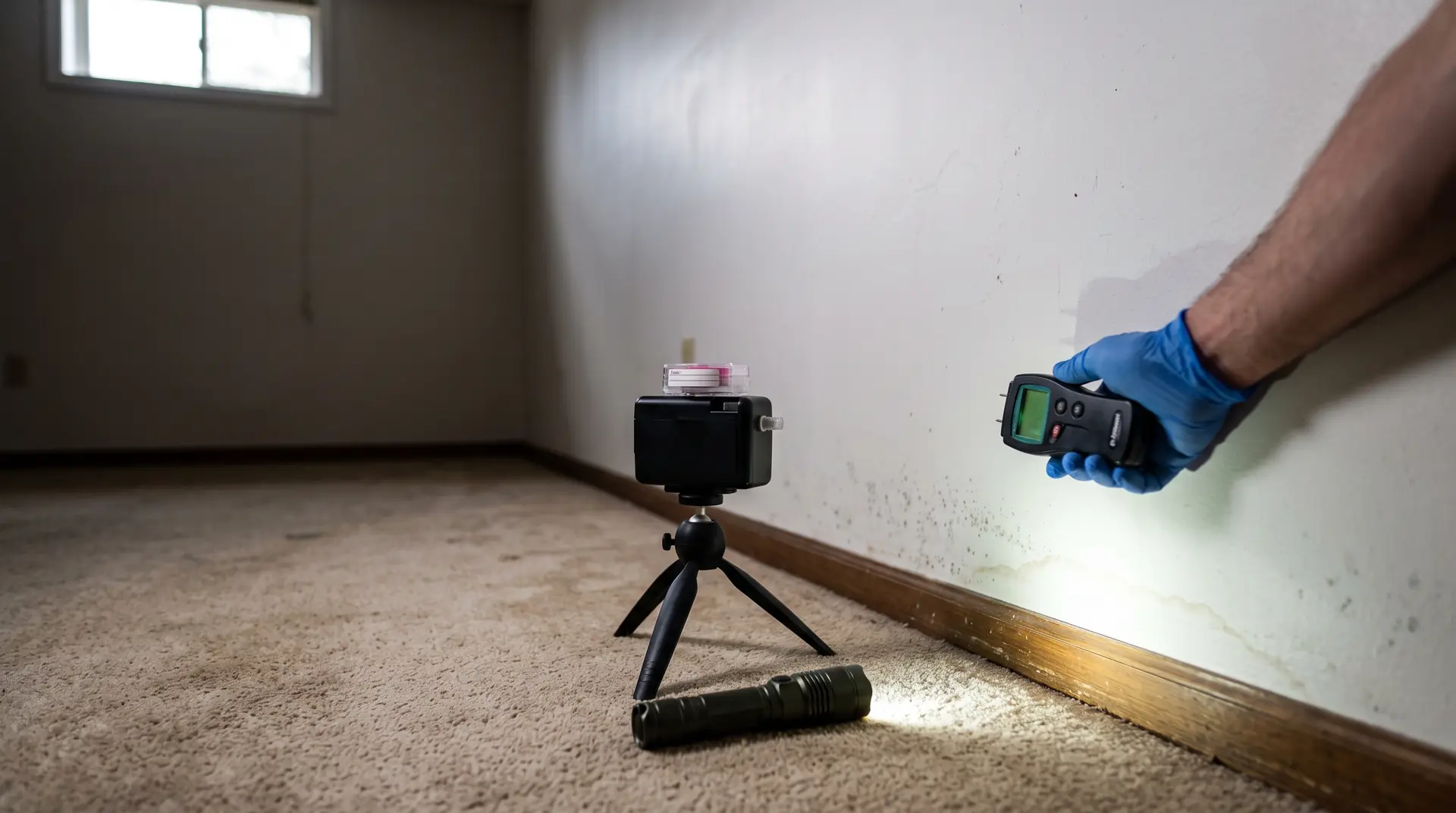
Moisture meter held against a basement wall near faint mold spots
Calls answered 24/7

Mold Inspection in Hackensack NJ

Smell it but can't see it? Buying a house, or stuck in a disagreement with a landlord? An inspection finds where mold is and why. A lab test only earns its place in certain cases.

Number for Water Damage, Fire, Mold & Sewage

Calls answered 24/7. No obligation to book.

Undercroft Restoration is a free referral service, not a restoration company. Calls are connected to independent local service providers that serve your area, and calls may be recorded. The work is done by those providers, not by this site.

  • One Call Connects You
  • No Obligation to Hire
  • Calls Answered 24/7
  • Honest Testing Advice
No NJ licenceNeeded to inspect for mold in NJ
Not routineCDC's view on lab tests for mold
Q9aThe mold question on NJ's seller form
10 sq ftNY's line for separate testers and removers
01

Mold Testing Isn't Always Needed: What EPA and CDC Say, and When Hackensack Homes Should Test Anyway

Here's something most testing companies won't lead with. The EPA says that if visible mold growth is present, sampling is unnecessary. The CDC goes further: it doesn't recommend routine mold testing, because you don't need to know the type of mold to remove it, and there are no set standards for what level is acceptable.

So a lab test isn't the starting point. A good inspection is: finding the moisture, finding the growth, and finding out why it's there. Testing earns its place in a few specific situations.

01

You Can See It: Usually Skip the Lab

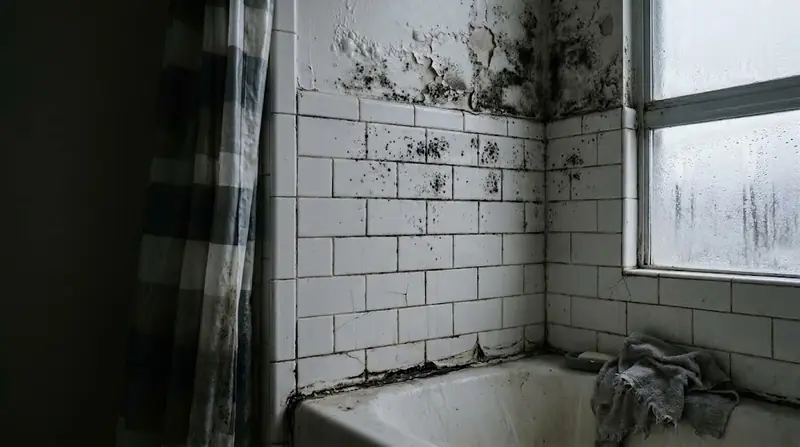
If there's visible growth, you already know you have mold. The questions that matter are how far it goes and what's feeding it, and a moisture meter answers those better than a lab. Spend the money on finding the source.
02

A Smell With No Visible Growth

A house that keeps smelling musty is where a lot of mold questions start. A persistent musty smell with nothing visible usually means growth inside a wall, under a floor, in a closet or in ductwork. That's where an inspection, and sometimes an air sample, helps you find it without opening every wall.

03

Clearance After Remediation

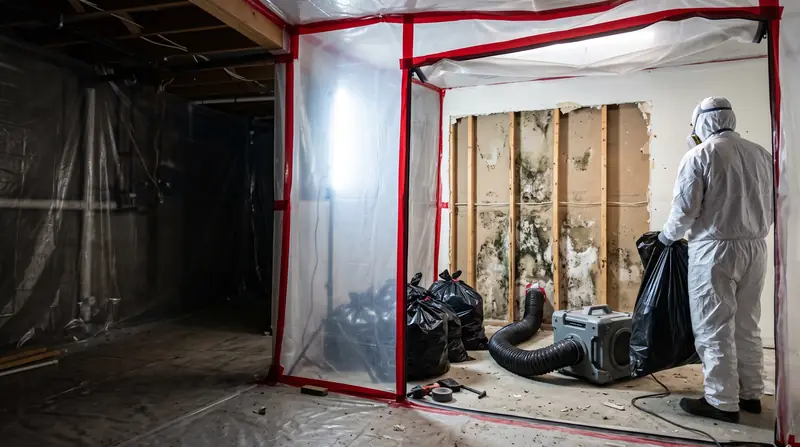
After a large removal job, especially where someone in the home has asthma or a weakened immune system, an independent check that the work is done can be worth it. More on the removal itself on the mold remediation page.

04

A Home Sale, a Purchase or a Lease Dispute

When money or a disagreement depends on it, a written report from a neutral inspector carries weight. Both situations have their own sections below.

02

What a Mold Inspector Actually Checks in a Bergen County Home, Room by Room

A real inspection is a moisture investigation first and a mold hunt second. Bergen County homes give inspectors plenty to look at: pre-war plaster walls, 1950s block basements, attics where bath fans vent, and stacked apartments where the leak can start a floor above.

01

Moisture Meters and Thermal Imaging

Pin and pinless meters read moisture in drywall, plaster, wood and concrete. A thermal camera shows cool, damp areas behind surfaces. Together they point to where water is getting in, which is usually where the mold is.

02

Mold Detection Behind Walls Without Tearing Them Open

When readings point inside a wall, an inspector can drill a small hole and look in with a borescope, a thin camera on a cable. Some take an air sample from inside the wall cavity through the same small hole. Either way, you learn what's behind the drywall without tearing it out.

03

Attic, Basement, Crawl Space and HVAC

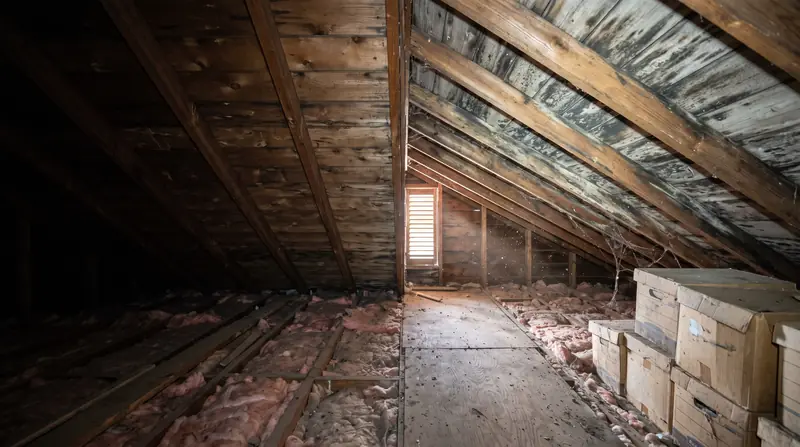
The attic gets checked for bath fans venting into it, frost or staining on the roof sheathing, and wet insulation. The basement gets checked for damp block walls, efflorescence and growth behind paneling. An hvac mold inspection looks at the air handler, drip pan and accessible ducts. If growth turns up in any of these, see basement and attic mold.

04

The Written Report You Should Get

Photos of what was found, moisture readings with locations, the likely moisture source, lab results if any samples were taken, and a recommended scope. If the report doesn't name a moisture source, ask why.

03

Air Samples, Surface Swabs and Tape Lifts: Which Test Answers Which Question

Mold air testing and surface testing answer different questions. So does indoor air quality testing in general, which may look at humidity, particles or other pollutants besides mold. Know which question you're asking before you pay for a test.

01

Air Samples Indoors Compared With an Outdoor Baseline

An air sample counts mold spores in a measured volume of air. On its own the number means little, since spores are always in the air. It's compared with an outdoor sample taken at the same time. Indoor counts well above outdoor, or different types of mold indoors, suggest a source inside.

02

Surface Samples to Identify What's Growing

A swab or a piece of clear tape pressed on a surface picks up spores and fragments for the lab to identify. It tells you what's growing on that spot. It doesn't tell you how much is in the house.

03

Why There's No Federal 'Safe Level' of Mold

The EPA notes that no federal limits have been set for mold or mold spores, and the CDC says there are no set standards for acceptable levels. Lab reports compare results with outdoor air or with typical ranges, not with a legal limit. Be skeptical of anyone who says your number is "toxic."

04

Across the GWB, New York Requires Separate Testers and Removers. New Jersey Doesn't, So Ask

Hackensack sits a short drive from the George Washington Bridge, and the rules change on the other side. New York's Labor Law Article 32 requires licensed mold assessors and remediators, and the same person can't both assess and remediate the same property, as the New York State Department of Labor's mold program explains. New Jersey has no mold license and no separation rule. Here, one company can test, write the scope and do the removal.

Independent Mold Inspectors vs Companies That Test and Remove

Some mold inspectors only test. Other companies test and remove. Both models are legal here. Independent inspectors have no stake in how big the removal job is. A company that does both can be faster and simpler to work with, but its recommendation affects its own work. If the stakes are high, like a big job or a sale, consider an independent inspection, or at least a second opinion on the scope.

05

Buying or Selling in Hackensack: Inspections Before Closing and NJ's Disclosure Form

New Jersey's seller disclosure form, updated in February 2024, asks sellers about water leakage or dampness (question 9) and about mold (question 9a). A standard home inspection usually notes visible moisture problems but isn't the same thing.

If you're buying, a mold inspection for home purchase makes sense when the house has a finished basement, a history of leaks, a musty smell, or an attic with bath fans venting into it. Inspectors often flag attic mold during a sale, and fixing it before the closing date keeps the sale on track. If you're selling, finding and fixing it first gives you a cleaner answer to question 9a.

06

Tenant Smells Mold, Landlord Sees Nothing: How an Inspection Settles It in a Hackensack Rental

With about 64 percent of Hackensack households renting, this comes up all the time. A tenant complains about a mold smell. The tenant is sure; the landlord looks and sees nothing.

A mold inspection for landlords or tenants turns the argument into a written record: moisture readings, photos, a likely source, and a recommendation. New Jersey landlords have a general duty to keep units habitable. A neutral report helps both sides act on facts. This is general information, not legal advice. For renters' and landlords' next steps, see mold remediation.

07

Who's Behind the Mold Test? Questions to Ask Before You Book in Hackensack

Mold testing is offered by independent inspectors, remediation companies and even carpet cleaners. A useful test comes with a clear sampling plan and a written report. Before you book, ask:

  • What training or certification do your inspectors have?
  • Which lab analyzes the samples?
  • What will the written report include?
  • Do you also do removal, and if so, how do you keep the recommendation honest?

How Undercroft Restoration Calls Work: You're Connected With a Local Inspection Company

Undercroft Restoration is a referral service. When you call (201) 409-9820, you're connected with an independent, third-party company that serves your area. That company inspects and, if you ask, tests. Undercroft Restoration doesn't do the work, set prices or hold mold credentials. For how the line works across every service, see the home page.

08

Musty Closet, Normal Air Sample, Wet Wall Behind It: One Bergen County Inspection

About this example. Undercroft Restoration connects callers with independent companies and doesn't publish their customers' jobs. This is an illustrative example, not a record of a real job. It's built from local climate data (about 47 inches of rain a year in the Hackensack area) and follows EPA and CDC guidance.

A homeowner in Bergen County smells mold in a hall closet every time it rains. Nothing visible. She buys an air test that comes back close to the outdoor sample. She's relieved, and the smell stays.

An inspector comes out. The thermal camera shows a cool patch low on the closet's outside wall, and the moisture meter confirms it: the drywall reads well above a dry wall in the next room. A borescope through a small hole shows dark growth on the back of the drywall and wet insulation. The source is a gutter downspout dumping against the foundation right outside.

The air sample was normal because the growth was sealed inside the wall. The readings found it.

The report lists the photos, the readings, the source and a scope: fix the downspout, open that section of wall, remove the moldy drywall and insulation, clean the studs, dry, then close up.

The lesson: an inspection finds moisture; a single air test can miss what's sealed in a wall.

09

After the Inspection: Removal, Black Mold and Basement Help Across Bergen County

10

Inspection Calls From Hackensack 07601 and Across Bergen County

Calls come from Hackensack's Prospect Avenue high-rises, the Fairmount section, downtown and the Johnson Avenue area, and from across the county. Calls from Teaneck, Paramus and Fort Lee are connected the same way. More on water damage in Hackensack and the full Bergen County service area.

Call any time

Smell It but Can't Find It? Call and Get Connected With a Bergen County Inspection Company

Calls answered 24/7. For inspections and testing in Bergen County homes: have your town and where you smell or see it ready when you call.

Undercroft Restoration is a free referral service, not a restoration company. Calls are connected to independent local service providers that serve your area, and calls may be recorded. The work is done by those providers, not by this site.

Pick the number for your problemServing Bergen County, NJ ยท Calls answered 24/7
Questions

What Bergen County Homeowners and Renters Ask Before Testing for Mold

Still have a question?

Calls answered 24/7. Pick the number for your problem, then say your town and what happened.

Do I need a mold test if I can already see mold?

Usually not. The EPA says sampling is unnecessary when growth is visible. Put the effort into finding the moisture source and removing the growth.

How long do lab results take?

Usually a few days, depending on the lab and the type of test. Ask about turnaround before samples are taken.

What affects mold testing and removal cost?

The number of samples, the lab's turnaround time, the size of the home, how hard the areas are to reach, and whether removal follows and how much. Call (201) 409-9820 and ask for a written scope before any work starts.

Is mold part of a standard home inspection?

Usually not in any detail. Home inspectors note visible moisture and staining, but a dedicated mold check with meters, thermal imaging and optional sampling is a separate service.

Are home mold test kits reliable?

Settle-plate kits that sit open on a counter will grow mold almost anywhere, because spores are always in the air. They don't tell you whether you have a problem. A moisture check is more useful.

Is there a safe level of mold?

There's no federal standard. The EPA and CDC haven't set limits for mold or spores. Labs compare indoor results with outdoor air and typical ranges.

Can the same company test and remove mold in New Jersey?

Yes. New Jersey has no rule against it, unlike New York. It can be convenient, but an independent inspector has no stake in how big the removal job is.

Does a mold inspection in New Jersey cost anything?

Usually, yes. Some companies include a quick visual look when they quote a removal job, but lab testing is a paid service. Ask up front what's included and whether there's any charge before anyone arrives.

Should I test again after remediation?

It's worth considering after a large job, or when someone at higher risk lives in the home. At minimum, ask for moisture readings and a visual check before walls are closed.

Can a mold report help in a dispute with my landlord?

A written report with photos, readings and a likely source is solid documentation for either side. For your specific rights, talk to a tenant attorney or legal aid. This isn't legal advice.

Call (201) 409-9820Water, Fire, Mold & Sewage