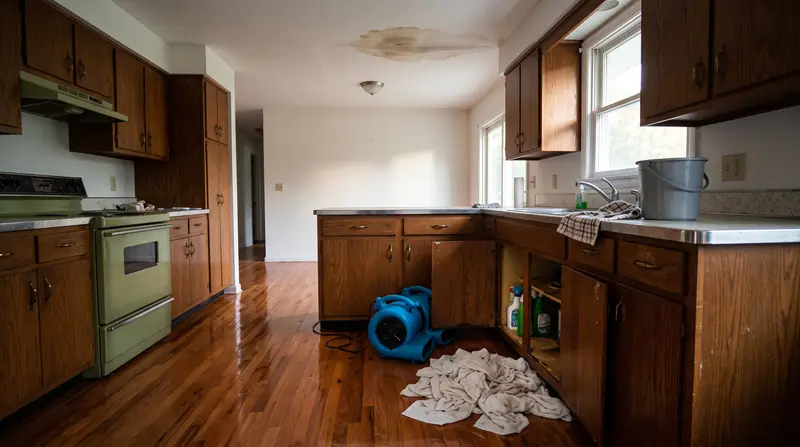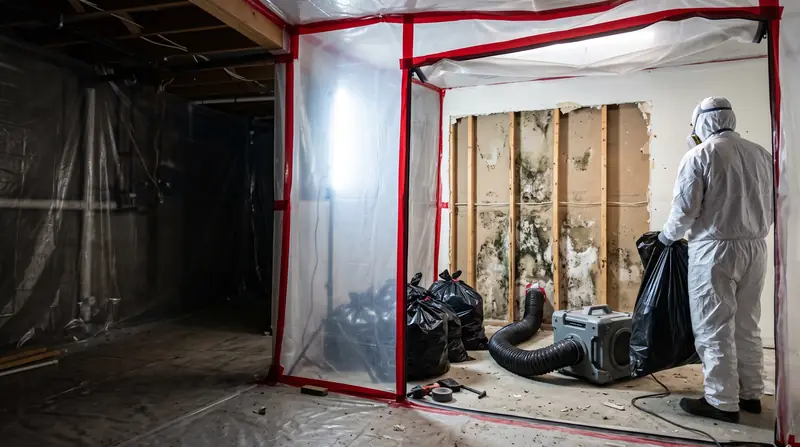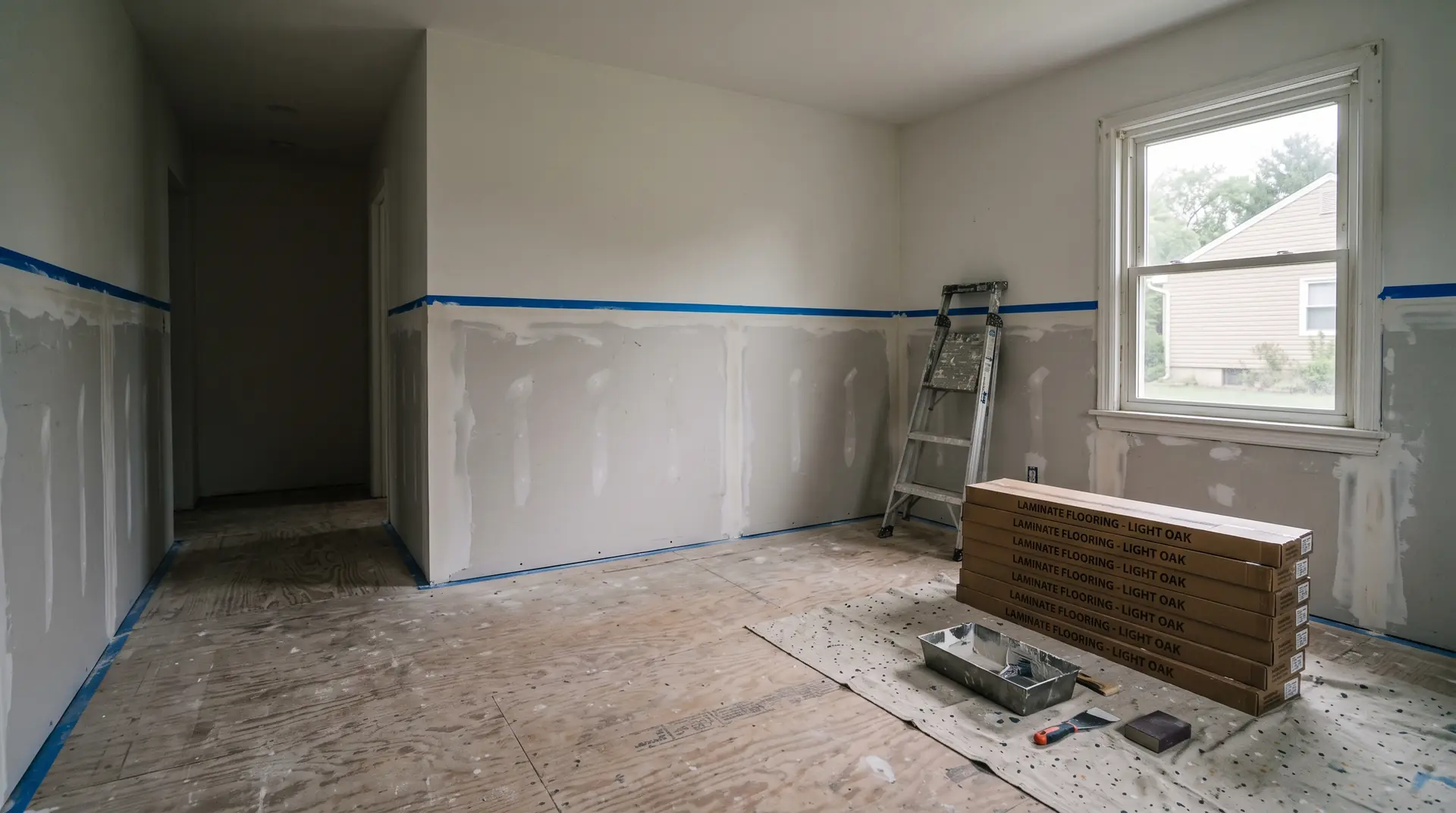
New drywall and flooring going in after a room dried out
Calls answered 24/7

Water Damage Repair in Hackensack NJ

Brown ring on the ceiling, drywall that gives when you press it, a floor that's started to cup? Repairing water damage the right way starts with proving it's dry, then rebuilding.

Number for Water Damage, Fire, Mold & Sewage

Calls answered 24/7. No obligation to book.

Undercroft Restoration is a free referral service, not a restoration company. Calls are connected to independent local service providers that serve your area, and calls may be recorded. The work is done by those providers, not by this site.

  • One Call Connects You
  • No Obligation to Hire
  • Calls Answered 24/7
  • Dry First, Then Rebuild
15.4%Hackensack homes built before 1939
Pre-1978Paint falls under EPA lead-safe rules
25%NJ wall-area line before a permit
64%Hackensack households that rent
01

Water Damage Repair NJ Homes Need: Dry Readings First, Then Drywall, Plaster and Floors

The most expensive mistake after a leak is closing up a wall that's still wet. New drywall over a damp stud bay traps the moisture. A few weeks later the stain is back, the paint bubbles, or the closet smells musty. Now you're paying for the same wall twice, plus mold remediation.

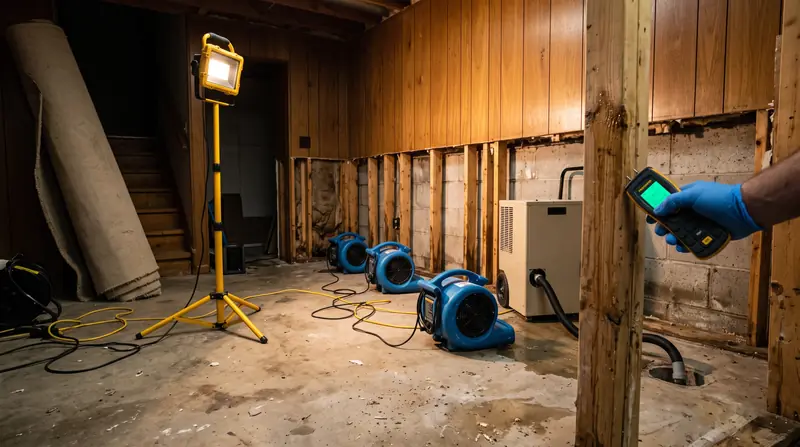
So this page is about the rebuild, and the rule that comes before it: dry means measured, not guessed. A tech takes moisture readings in the damaged area and compares them with an unaffected wall in the same home, called the dry standard. When the numbers match, the rebuild can start. If the drying crew just left and you're not sure it's done, the water mitigation page explains how that part should work.

Hackensack adds its own wrinkle. About half the city's homes were built before 1970, and roughly 15 percent before 1939. That means plaster and lath instead of drywall in plenty of houses, old paint that may contain lead, and subfloors of planks rather than plywood. A repair that's routine in a 2015 condo on Main Street can be a different job in a 1920s two-family in Fairmount.

02

Brown Rings, Bubbling Paint, Cupped Oak: Signs a Hackensack Home Needs Repair, Not Just Paint

Some water marks are cosmetic. Most aren't. Moisture damage repair starts by reading the signs correctly, because each one points to a different fix. A good repair takes out only what the water ruined and puts the room back so you can't tell anything happened.

01

Stains That Bleed Back Through Primer After Two Coats

A stain that returns after painting is telling you one of two things: the material behind it is still wet, or the leak is still active. Painting over it without fixing that is the classic DIY mistake. Stain-blocking primer only works on a dry surface with the source fixed.
02

Soft, Crumbling or Bulging Plaster in Pre-War Walls

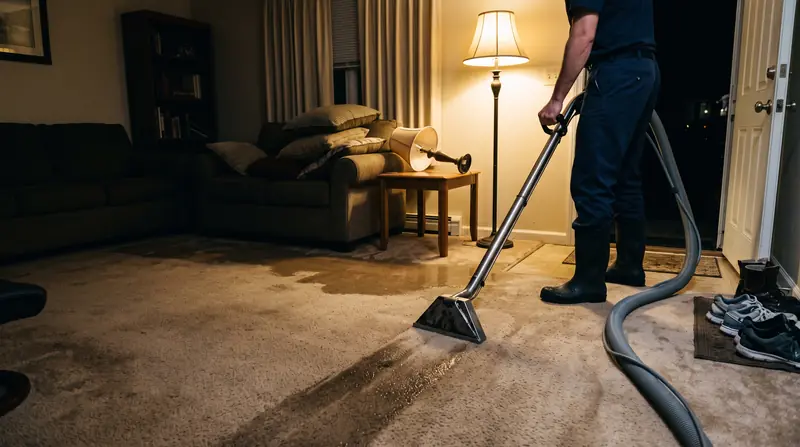
Plaster on wood lath holds on by "keys," the blobs of plaster pushed between the lath strips. Soak them and they can break loose, so the wall bulges or sounds hollow when you tap it. In a pre-1939 Hackensack house, press gently near the stain. Movement means more than a patch.

03

Cupped or Crowned Hardwood Over a Damp Subfloor

When board edges rise above the middle, the moisture is underneath. A leaking dishwasher is a common cause in kitchens. The boards aren't necessarily ruined, but the subfloor has to be checked before anything gets sanded or replaced.

04

A Musty Smell Behind Baseboards Weeks Later

Mold often shows up weeks after water wasn't dried properly. If the room smells musty weeks after the leak, pull a baseboard and look, then see mold remediation before any rebuild.

03

Ceiling Water Damage Repair Under Bathrooms and Upstairs Units on Prospect Avenue

Water from a bathroom or an upstairs unit runs down into the ceiling below, sometimes through more than one floor. In a city where most housing sits in large buildings, and the Prospect Avenue corridor is lined with mid-rises and high-rises, the ceiling is often the first thing to fail and the last thing anyone wants to pay for.

01

When a Sagging Ceiling Has to Come Down, and Why You Shouldn't Poke It

A bulging ceiling means water is pooled above the drywall. Pushing on it from below can bring the whole panel down on you. Put a bucket under it, move furniture out, clear the room and call. Once the water is drained and the ceiling cavity is dry, sagged drywall almost always gets replaced rather than pushed back up; it loses strength once soaked.

02

Patch, Skim Coat or Replace the Whole Panel

A small, dry stain may only need stain-blocking primer and paint. A soft spot the size of a dinner plate usually gets cut out and patched. Anything larger, or a ceiling that sagged, usually means replacing full panels. Textured and popcorn ceilings are harder to match, and in older buildings they should be tested before anyone scrapes them (more on that below).

03

Condo Ceilings: The Master Deed Often Puts the Ceiling Assembly on the Association

In a New Jersey condo, the master deed decides who fixes what. A guide from the NJ law firm Buckalew Frizzell & Crevina explains that the association usually repairs common elements up to the unit boundary, which often includes the ceiling assembly, while owners cover their own finishes through an HO-6 policy. Read your master deed before you hire anyone. The full question of who pays is covered on the water damage restoration page.

04

How to Repair Water Damage in Hackensack's Plaster and Lath Walls vs Newer Drywall

Hackensack has two kinds of walls. Pre-war multi-families and single-family homes with plaster on wood lath, and the downtown new builds, like the apartment buildings that have gone up along Main Street, with drywall on steel or wood studs. The fix depends on which one you have.

01

Drywall: Cut Out, Replace, Tape and Match the Texture

Water damaged wall repair in drywall is straightforward once the cavity is dry. The damaged section gets cut out a little above the highest wet reading, new board goes in, then tape, joint compound, sanding and texture to match. In basements and bathrooms, ask for moisture- and mold-resistant board. Don't let anyone patch over a soft area without cutting it open first.

02

Plaster and Lath: Repair, Skim or Switch to Drywall

Old plaster gives you three choices. Loose plaster can sometimes be reattached to the lath with plaster washers and skimmed over. Damaged sections can be cut out and filled with drywall shimmed to the plaster's thickness, then skim-coated so the seam disappears. Or a whole wall can be converted to drywall. Reattaching keeps the original wall but takes skill. Converting is faster but creates more dust and changes how the wall looks around trim. Ask which approach the company recommends and why.

03

Wet Insulation Behind the Wall Almost Always Goes

Fiberglass batts sag and hold water; blown cellulose packs down and stays wet. Neither dries well in place. Expect wet insulation to be removed and replaced before the wall is closed. It's a small part of the job and a big part of whether the wall stays dry.

05

Hardwood, Subfloor and Tile: Floor Repairs After a Leak in a Bergen County Kitchen

Kitchens and laundry rooms take the most floor damage: a dishwasher line, a washing machine hose, a slow leak under the sink. Water damaged floor repair depends on what's on top and what's underneath, and the order matters. Dry the subfloor, then decide about the finish floor.

01

Cupped Hardwood: Dry It, Wait, Then Sand or Replace

Solid hardwood often flattens out once the subfloor underneath is properly dried. Sanding cupped boards too early is a classic mistake: when they dry and settle, the edges end up lower than the centers, and you've locked in the damage. Give it time, check readings, then decide whether sanding and refinishing will do or boards need replacing.

02

Water Damaged Subfloor Repair Before New Flooring Goes Down

Plywood can delaminate and OSB swells at the edges when soaked. Older homes may have plank subfloors instead. Soft or swollen sections get cut out and replaced before any new flooring goes down, because new flooring over a bad subfloor squeaks, flexes and fails. In a condo, the subfloor may be the association's responsibility, so check the master deed as with ceilings.

03

Laminate and Vinyl Plank Usually Get Replaced, Not Saved

Laminate has a pressed-wood core that swells and doesn't recover. Many vinyl plank floors survive the water itself, but water trapped underneath them keeps the subfloor wet. In most cases the planks come up, the subfloor dries, and new planks go down.

06

Pre-1978 Paint and NJ Permit Rules That Change a Hackensack Repair Job

These rules are easy to miss, and they matter in a city where so many homes are old. What follows is general information, not legal advice.

01

EPA Lead-Safe Rules Once More Than 6 Square Feet of Old Paint Is Disturbed

In homes built before 1978, the EPA's Renovation, Repair and Painting rule applies when work disturbs more than 6 square feet of painted surface per room inside. That's about one small section of ceiling or wall. The work has to be done by an EPA-certified firm using containment, specific cleanup and cleaning verification. Some emergency work is exempt from parts of the rule, but the cleanup requirements still apply.

02

Landlords: NJ's Lead-Safe Certification Law Covers Pre-1978 Rentals

New Jersey's lead-safe law (P.L.2021, c.182) took effect July 22, 2022. It requires pre-1978 rental units to be inspected for lead-based paint hazards, with the first inspection due by July 22, 2024 or at tenant turnover, whichever came first. With 64 percent of Hackensack households renting, a ceiling repair in an older rental can touch this law. If painted surfaces are disturbed, talk to your lead evaluator about whether the unit's certification is affected.

03

When a Permit Is Needed: the 25% Wall Area Line in One and Two Family Homes

Under N.J.A.C. 5:23-2.7, New Jersey treats replacing interior finishes on less than 25 percent of the wall area in a one- or two-family home as ordinary maintenance, including plastering and drywall. Replacing flooring and cabinets is ordinary maintenance too. Go past that 25 percent line, move electrical, or work in a multifamily building, and check with the City of Hackensack's construction office before the work starts.

04

Old Joint Compound, Popcorn Ceilings and Testing Before Demolition

Older joint compound, textured ceilings and some plaster may contain asbestos. You can't tell by looking. In an older home, ask for a sample to be tested before anyone sands or tears out a ceiling. If it's positive, removal is a separate specialist job.

07

From Dry Readings to Fresh Paint: Water Damage and Repair Steps in a Bergen County Home

Here's what a proper rebuild looks like from start to finish. Use it as a checklist when you talk to whoever does the work.

01

Step 1: Confirm Dry Against an Unaffected Wall

Ask for a moisture log with dates, readings from the damaged areas, and the dry-standard reading they're measured against. No log, no rebuild.

02

Step 2: A Written Scope, Room by Room

Which rooms, which surfaces, what comes out, what goes back. Misquotes and surprise charges start where the paperwork stops. A written scope, and written change orders for anything added later, prevents most of that.

03

Step 3: Test Old Paint and Ceilings Before Demolition in Pre-1978 Homes

Lead paint and asbestos checks happen before the first cut, not after the dust is everywhere.

04

Step 4: Rebuild With Insulation, Drywall, Tape and Primer

This is the water damage reconstruction itself: new insulation, board or plaster repairs, tape and compound, then a stain-blocking primer over anything that was stained. Primer goes on only after readings confirm dry.

05

Step 5: Floors, Trim and Cabinets Back In

Subfloor repairs first, then flooring, baseboards, door casings and any cabinets that came out. Under the NJ code, replacing cabinets and flooring in a one- or two-family home counts as ordinary maintenance.

06

Step 6: Paint Matched to the Room and a Final Walkthrough

Walk every room with the crew lead. Look at seams in raking light, check that paint matches, open cabinet doors, step on the repaired floor. Point out anything that still looks stained or smells musty. Do the walkthrough before the final payment, not after.

08

Before You Hire, Check Who's Really Behind a 'Hackensack' Repair Page

Search for help with a leak-stained ceiling in Hackensack and some of the results are pages on websites named after Florida towns, including Marco Island and Immokalee. They aren't New Jersey companies. Ask anyone you're considering where they're based and whether their own crew or a subcontractor does the rebuild.

01

Water Damage Repair Contractors Should Show a NJ Registration Number and a Moisture Log

In New Jersey, companies doing home improvement work must register with the Division of Consumer Affairs. Ask for the registration number and look it up. For a pre-1978 home, ask for the firm's EPA lead-safe certification too. And ask to see the moisture log before they close a single wall.

02

How Undercroft Restoration Calls Work: You're Connected With a Local Repair Company

Undercroft Restoration is a referral service. When you call (201) 409-9820, you're connected with an independent, third-party company that serves your area. That company inspects, writes the scope and does the rebuild. Undercroft Restoration doesn't do the work, set prices or hold contractor licenses. That's why this page gives you the questions to ask. For how the line works across every service, see the home page.

09

What Water Damage Repair New Jersey Insurers Usually Cover, and Where the Condo Line Falls

This is general information. Your policy wording decides, and the insurance claims help page goes deeper.

01

Rebuild Follows Documented Drying

Adjusters usually want the moisture log and photos before they approve rebuild work. Keep every reading and every picture. If the drying wasn't documented, the rebuild approval can stall.

02

When One Wet Wall Means Repainting the Whole Room

Patched drywall rarely matches old paint exactly. Some policies pay to repaint the whole wall or room so it matches; others don't. Ask your adjuster how your policy handles matching before the painting starts.

03

Slow Leaks and Old Damage Are Often Excluded

Most policies cover sudden, accidental water damage. A stain that's been growing for months from a slow drip is often treated as wear or neglect and excluded. That's one more reason not to paint over a stain and wait.

10

Painted Over Twice, Still Stained: the Long Repair From Water Damage Above a Hackensack Kitchen

About this example. Undercroft Restoration connects callers with independent companies and doesn't publish their customers' jobs. This is an illustrative example, not a record of a real job. It's built on a real local rule: New Jersey's lead-safe inspection requirement for pre-1978 rentals, with its July 22, 2024 first-inspection deadline. The steps are typical for a job like this.

Example: Stain Came Back Twice. Meter Found Wet Joists. Rebuilt Lead-Safe in a 1920s Two-Family.

A 1920s two-family near Fairmount, owner downstairs, tenant upstairs. A brown ring appears on the owner's kitchen ceiling, right under the upstairs bathroom. The owner primes and paints it. Six weeks later it's back. Another coat. Back again.

The third time, a tech brings a moisture meter. The ceiling reads wet in a strip under the tub, and a small inspection hole shows damp joists and a slow drip from a failed tub drain gasket. The leak had been running the whole time. A plumber replaces the gasket first.

Then the house's age changes the plan. It's pre-1978 and a rental, so the owner already had a lead-safe inspection on file from the 2024 deadline. The ceiling paint gets tested before any cutting. It's positive, so an EPA-certified crew sets up plastic containment in the kitchen, cuts out about 12 square feet of plaster and lath, and cleans with HEPA vacuums and wet wiping before the containment comes down.

Fans and a dehumidifier bring the joists down to the dry-standard reading. New drywall goes up, shimmed to the old plaster's thickness and skim-coated so the seam disappears, then stain-blocking primer and paint.

The lesson: a stain that comes back isn't a paint problem.

11

Before the Rebuild: Drying, Mold and Emergency Help Across Bergen County

12

Repair Work Across Hackensack 07601, From Fairmount's Single Family Streets to Prospect Avenue High Rises

Rebuild calls come from every part of the city: the single-family streets of the Fairmount section, the high-rises along Prospect Avenue, the new buildings downtown on Main Street, and the Johnson Avenue area. More on water damage in Hackensack.

Towns Around Hackensack: Teaneck, Paramus, River Edge, Maywood, Lodi and Fort Lee

Calls from Teaneck, Paramus, River Edge, Maywood, Lodi and Fort Lee are connected the same way, as are the rest of the Bergen County service area's towns.

Calls from Middlesex County, including Edison, Woodbridge and New Brunswick, are connected the same way. See the Middlesex County service area.

13

Stain Coming Back or Floor Still Cupping? Call and Get Connected With a Bergen County Repair Crew

Need 24 hour water damage repair help? Call (201) 409-9820. Calls answered 24/7. For repairs after water damage in Bergen County: have your town and what happened ready when you call.

Questions

What Bergen County Homeowners Ask Before a Water Damage Rebuild

These are the questions that come up once the water is gone and the rebuild is next.

Still have a question?

Calls answered 24/7. Pick the number for your problem, then say your town and what happened.

Can I just paint over a water stain on the ceiling?

Only if the leak is fixed and the ceiling reads dry. Then a stain-blocking primer before paint. If the stain came back after painting before, something behind it is still wet. Get it metered.

How long after drying can new drywall go up?

When the moisture readings match the dry standard, an unaffected wall in the same home. Not after a set number of days. Ask to see the final readings.

Do I need a permit in Hackensack to replace water damaged drywall?

In a one- or two-family home, replacing interior finishes on less than 25 percent of the wall area is ordinary maintenance under N.J.A.C. 5:23-2.7. Beyond that, or in a multifamily building, check with the city's construction office.

Will cupped hardwood flatten out on its own?

Often partly, once the subfloor is properly dried. Wait and check readings before sanding. Sanding too early can leave the boards permanently uneven once they settle.

My home was built before 1978. Does that change the repair?

Yes. If more than 6 square feet of painted surface per room gets disturbed, EPA lead-safe rules apply, and the work should be done by an EPA-certified firm with containment and proper cleanup. Older ceilings may also need asbestos testing.

What affects the cost of water damage repair?

How many square feet need work, which surfaces (ceilings, walls, floors), the materials (plaster and hardwood take more labor than drywall and vinyl), lead or asbestos testing in older homes, and how much painting it takes to match. Ask for a written scope before work starts.

Who repairs the ceiling in a condo, me or the association?

Your master deed decides. In many New Jersey condos the association repairs the ceiling assembly as a common element, and the owner covers finishes through an HO-6 policy. Read the deed first.

Will the new drywall and paint match the rest of the room?

Texture can be matched closely. Paint often can't be spot-matched on an older wall, so painting the whole wall, corner to corner, is common. Ask your adjuster whether your policy covers matching.

Should I fix the leak or the drywall first?

The leak, always. A plumber fixes the pipe or fixture first; then the area dries; then the rebuild. This number connects you with companies that handle the drying and rebuild, not plumbing.

How do I know mold isn't hiding before the wall is closed?

Moisture readings at the dry standard, plus a look inside the open cavity at studs, the back of the drywall and the insulation. If there's growth, mold remediation comes before the rebuild.

Call (201) 409-9820Water, Fire, Mold & Sewage