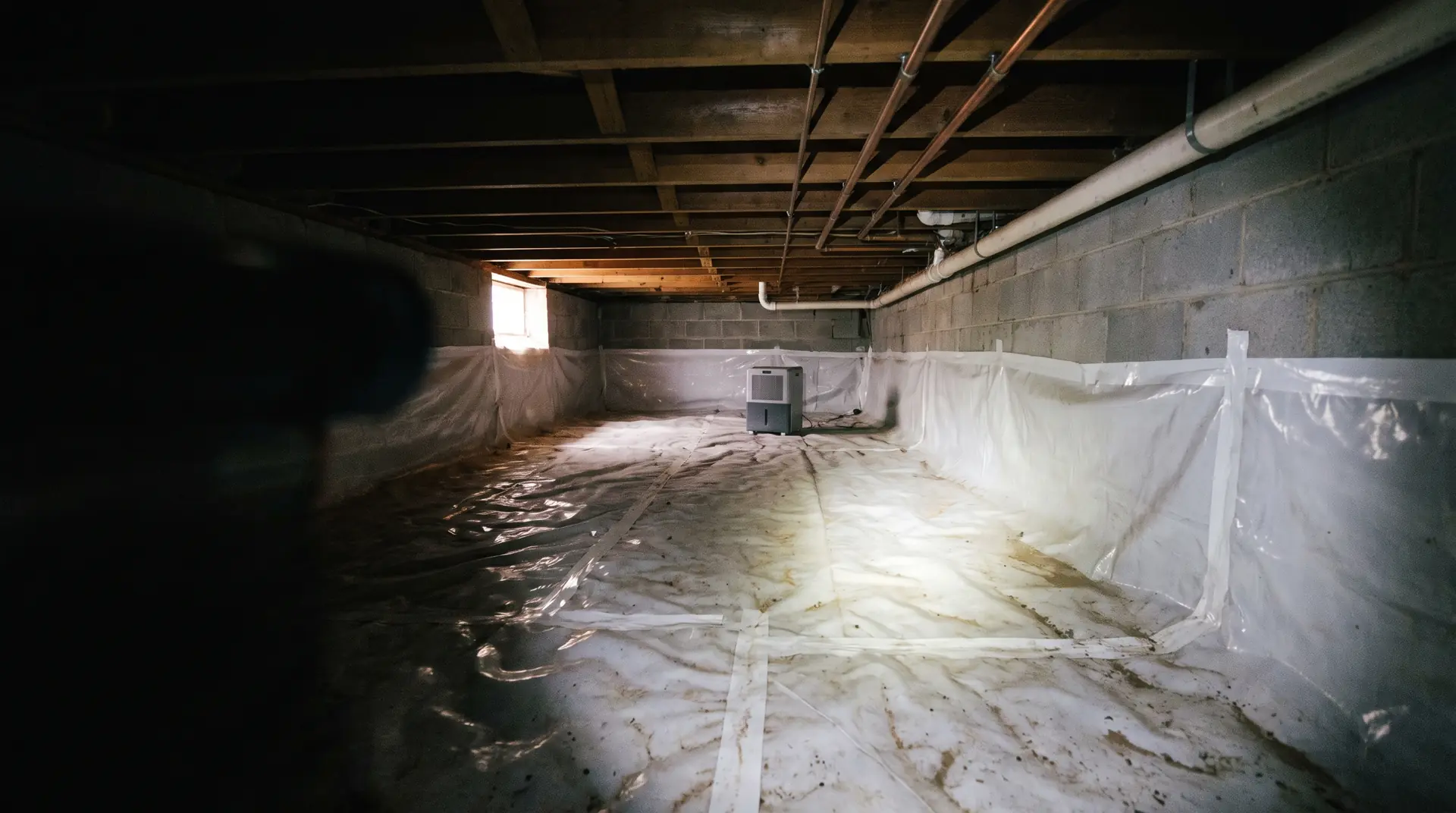
Crawl space sealed with a white vapor barrier and a small dehumidifier
Calls answered 24/7

Crawl Space Encapsulation in Hackensack NJ

Musty smell in the rooms above, sagging insulation, or damp dirt under the house? A crawl space open to humid Jersey summers can feed mold and moisture into the whole home.

Number for Waterproofing & Sump Pumps

Calls answered 24/7. No obligation to book.

Undercroft Restoration is a free referral service, not a restoration company. Calls are connected to independent local service providers that serve your area, and calls may be recorded. The work is done by those providers, not by this site.

  • One Call Connects You
  • No Obligation to Hire
  • Calls Answered 24/7
  • Sealed and Dry
~85°FJuly highs: humid air vents pull in
30 to 50%EPA's ideal indoor humidity
RadonNJDEP urges every home to test
36.2%Hackensack homes built 1940 to 1969
01

Crawl Space Vapor Barrier or Full Encapsulation: What Bergen County Homes Actually Need

There are two levels of fix, and they aren't the same thing.

A vapor barrier is a heavy plastic sheet laid over the dirt floor, overlapped and taped at the seams. It stops moisture rising out of the ground into the crawl space. The walls and vents stay as they are.

Full encapsulation goes further: the liner covers the floor and runs up the walls, the seams and the edges are sealed, the foundation vents are closed off, and the space is kept dry with a dehumidifier or a small amount of conditioned air from the house. The crawl space becomes a sealed, dry part of the building instead of a damp cellar open to the weather.

If the only problem is a damp dirt floor, a barrier may be enough. If the space smells musty, the wood reads damp, or there's condensation on pipes and ducts in summer, encapsulation is usually the answer.

01

A Crawl Space Moisture Barrier on a Dirt Floor

Liner thickness is measured in mils. Thin plastic tears easily when someone crawls across it for a repair. Most contractors use a thicker, reinforced liner for encapsulation, and a thinner one only for a simple ground cover. Either way, seams should overlap well and be taped, and the liner should be fastened at the walls and around piers.
02

Sealed Walls, Closed Vents and a Dehumidifier

Once the space is sealed, moisture still has to be removed. Crawl space dehumidifier installation usually means a unit made for the job, mounted off the floor, draining to a pump or an outlet, and set to keep humidity in a safe range. The EPA suggests keeping indoor humidity between 30 and 50 percent, and a sealed crawl space should be treated as indoor space.

02

Why Vented Crawl Spaces Stay Damp Through a Humid Hackensack Summer

Crawl space vents were meant to let air flow through and dry the space out. In a Bergen County summer they often do the opposite.

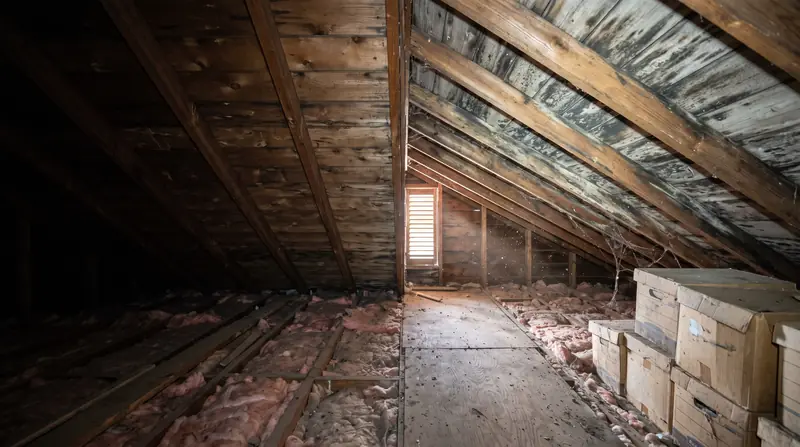
July highs average around 85°F here, and the air from July into September is heavy with moisture. That warm, humid air comes in through the vents and hits the cool dirt, the cool foundation walls and the cool ducts and pipes. It cools down, and when it cools enough, the moisture in it condenses. You get damp wood, sweating pipes, wet insulation falling out of the joists, and mold.

Then the house pulls that air upstairs. Warm air rises and leaks out through the attic, and air from below is drawn in to replace it, often from the crawl space. That's why a musty crawl space means musty rooms above. Crawl space encapsulation stops that cycle by closing the vents and drying the air instead of trading it with the outdoors.

03

Basement Crawl Space Vapor Barrier for Split Basements and Additions

A very common Bergen County layout: a full basement under the original house, and a crawl space under a later addition, a sunroom or an enclosed porch. The crawl space often opens right into the basement through a wall opening at shoulder height. The basement gets a dehumidifier; the crawl space next to it stays damp and keeps feeding moisture back in.

In a split layout, the crawl space liner should connect to the basement walls, and the basement dehumidifier can sometimes serve both spaces if the opening lets air move. Check that the addition's crawl space isn't getting groundwater, which is a waterproofing issue rather than a humidity one.

04

Radon, Pests and Heating Bills: Other Reasons Hackensack Homeowners Encapsulate

Moisture is the main reason. A few side benefits come up often:

  • Radon. NJDEP recommends that every home be tested for radon, a naturally occurring radioactive gas that can enter through soil. Sealing a crawl space may help reduce how much gets in, but it isn't a radon mitigation system. If your test is high, use a certified radon mitigation specialist.
  • Pests. A dry, sealed crawl space is less inviting to insects and rodents than a damp, open one.
  • Comfort and energy. Floors over a sealed crawl space tend to be less cold in winter, and ducts running through a drier space lose less to condensation.
05

How Crawl Space Encapsulation Is Done, Step by Step

Here's what a proper job looks like. It's crawl space waterproofing in the broad sense: stopping ground water, humidity and outdoor air from reaching the space.

01

Step 1: Inspect for Water, Mold and Wood Damage

The contractor should look for standing water, wet or fallen insulation, mold on joists and subfloor, rotted wood and pest damage, and take moisture readings. If there's mold, it's removed before anything is sealed in; see crawl space mold removal.

02

Step 2: Fix Standing Water First

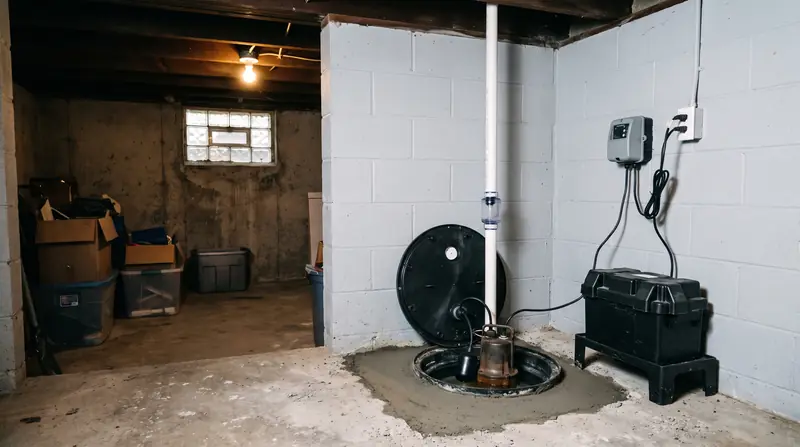
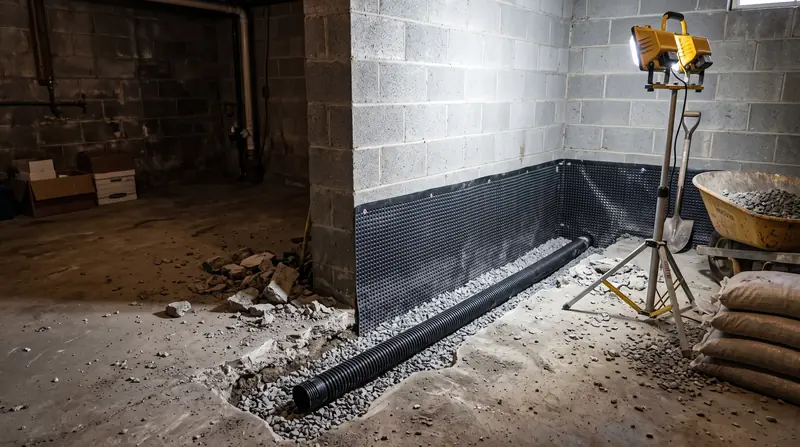
A liner over standing water just hides the problem. If water collects in the crawl space after rain, it needs drainage, and often a small pit and pump. See sump pump. Downspouts and grading outside should be fixed at the same time.

03

Step 3: Liner Across the Floor and Up the Walls

Debris is cleared, the floor is leveled roughly, and the liner is laid across the floor, run up the walls and fastened, with seams overlapped and taped and piers wrapped.

04

Step 4: Seal Vents and Add a Dehumidifier

Foundation vents are closed and sealed, and the access door gets weatherstripping. A dehumidifier or conditioned air keeps humidity in range. Wet fiberglass insulation in the joists is usually removed; some contractors insulate the walls instead of the floor above.

06

Before You Sign for Crawl Space Work in New Jersey

Crawl space work is home improvement work under New Jersey law. The Division of Consumer Affairs checklist says contractors must register every year and show the registration number on ads, contracts and vehicles. For all but very small jobs, the contract must be in writing, with start and completion dates and insurance details, and you can cancel before midnight of the third business day after receiving it. Ask what the liner warranty covers and whether dehumidifier maintenance is included.

How Undercroft Restoration Calls Work: You're Connected With a Local Crawl Space Contractor

Undercroft Restoration is a referral service. When you call (201) 377-3819, you're connected with an independent, third-party contractor that serves your area. That company inspects, quotes and does the work. Undercroft Restoration doesn't do the work, set prices, hold contractor registrations or offer warranties. For how the line works across every service, see the home page.

07

A Musty Den Over a Dirt Crawl Space: One Bergen County Encapsulation

About this example. Undercroft Restoration connects callers with independent companies and doesn't publish their customers' jobs. This is an illustrative example, not a record of a real job. It's built from Hackensack-area climate data (humid July to September) and the common Bergen County layout of a crawl space under a later addition.

A 1950s house in Bergen County with a den added over a crawl space in the 1970s. Every summer the den smells musty and the carpet feels clammy. The rest of the house, over a dehumidified basement, is fine.

A contractor opens the crawl space hatch. Dirt floor, two open vents, fiberglass insulation sagging out of the joists, and dark staining on the subfloor near the vents. Moisture readings in the wood are high. The pipes to the den's baseboard heat are sweating.

The stained areas turn out to be surface mold, cleaned and treated first. The wet insulation comes out. A reinforced liner goes across the floor and up the foundation walls, seams taped. The vents are sealed, the hatch weatherstripped, and a crawl space dehumidifier installed, draining to the basement.

By the next summer the wood reads dry and the den stops smelling. The owner adds a radon test to the list, since the crawl space is now sealed.

The lesson: in a humid summer, open vents bring the problem in.

08
09

Crawl Space Calls From Hackensack 07601 and Across Bergen County

Calls come from Hackensack's single-family streets in the Fairmount section and the Johnson Avenue area, and from the older suburbs across the county where additions over crawl spaces are common. Calls from Teaneck, Paramus and Fort Lee are connected the same way. More on water damage in Hackensack and the full Bergen County service area.

Call any time

Damp, Musty Crawl Space? Call and Get Connected With a Bergen County Contractor

Calls answered 24/7. Have your town and what you've noticed ready when you call.

Undercroft Restoration is a free referral service, not a restoration company. Calls are connected to independent local service providers that serve your area, and calls may be recorded. The work is done by those providers, not by this site.

Questions

What Bergen County Homeowners Ask About Crawl Spaces

Still have a question?

Calls answered 24/7. Pick the number for your problem, then say your town and what happened.

Is crawl space encapsulation worth it?

If the crawl space is damp, musty, or feeding smells and moisture into the rooms above, usually yes. If it's already dry with a good ground cover, a full job may be more than you need. A moisture reading is the best starting point.

What affects crawl space encapsulation cost?

The square footage, liner thickness, wall height, how many vents need sealing, whether a dehumidifier is added, any standing water or drainage work, and any mold removal first. Call (201) 377-3819 and ask for a written scope before any work starts.

How thick should a vapor barrier under a house be?

Thicker, reinforced liners hold up better when people crawl across them for repairs, and most encapsulation jobs use one. Thinner plastic is sometimes used as a simple ground cover. Ask the contractor what thickness they propose and why.

Should crawl space vents be closed?

In a fully encapsulated crawl space, yes, because the space is dried mechanically instead. In a vented crawl space with only a ground cover, vents are often left open. Don't close vents without a plan to control humidity.

Does encapsulation help with radon?

It may reduce how much radon enters from the soil, but it isn't a substitute for testing or for a radon mitigation system. NJDEP recommends every home be tested; if levels are high, use a certified mitigation specialist.

Will it stop the musty smell upstairs?

Usually, if the smell was coming from the crawl space. Mold already growing down there has to be removed first, and the rooms above may need a little time to air out.

How long does encapsulation take?

Many crawl spaces take a day or two, depending on size, access, and whether mold removal, insulation removal or drainage work is needed first.

Do I need a dehumidifier after encapsulation?

Usually, or some other way to dry the air, such as a small supply of conditioned air from the house. Sealing without drying can trap moisture.

Can I install a vapor barrier myself?

A simple ground cover is a reasonable DIY job if the space is dry and safe to work in. Full encapsulation with sealed walls, vents and a dehumidifier is better left to a professional.

Does insurance pay to seal a crawl space?

Usually not. Insurers treat it as maintenance or an improvement. Some policies cover sudden damage, like a burst pipe under the house, but not the sealing itself.

Call (201) 377-3819Waterproofing